Thank you for your continued support.
Today, from the 26SS collection of FDMTL, we introduce four Classic Straight Denim pants, a staple the brand continues to produce.
These products are crafted using high-quality fabrics from Japan's world-renowned denim producing regions, featuring meticulous processing that cannot be replicated elsewhere.
When you actually feel them in-store, you will clearly sense their profound expressions and the passion of the artisans' handwork.

In the Japanese denim scene, FDMTL has built a unique style by skillfully fusing traditional craftsmanship with modern design. This time, we introduce a lineup that includes archives of their classic denim pants.
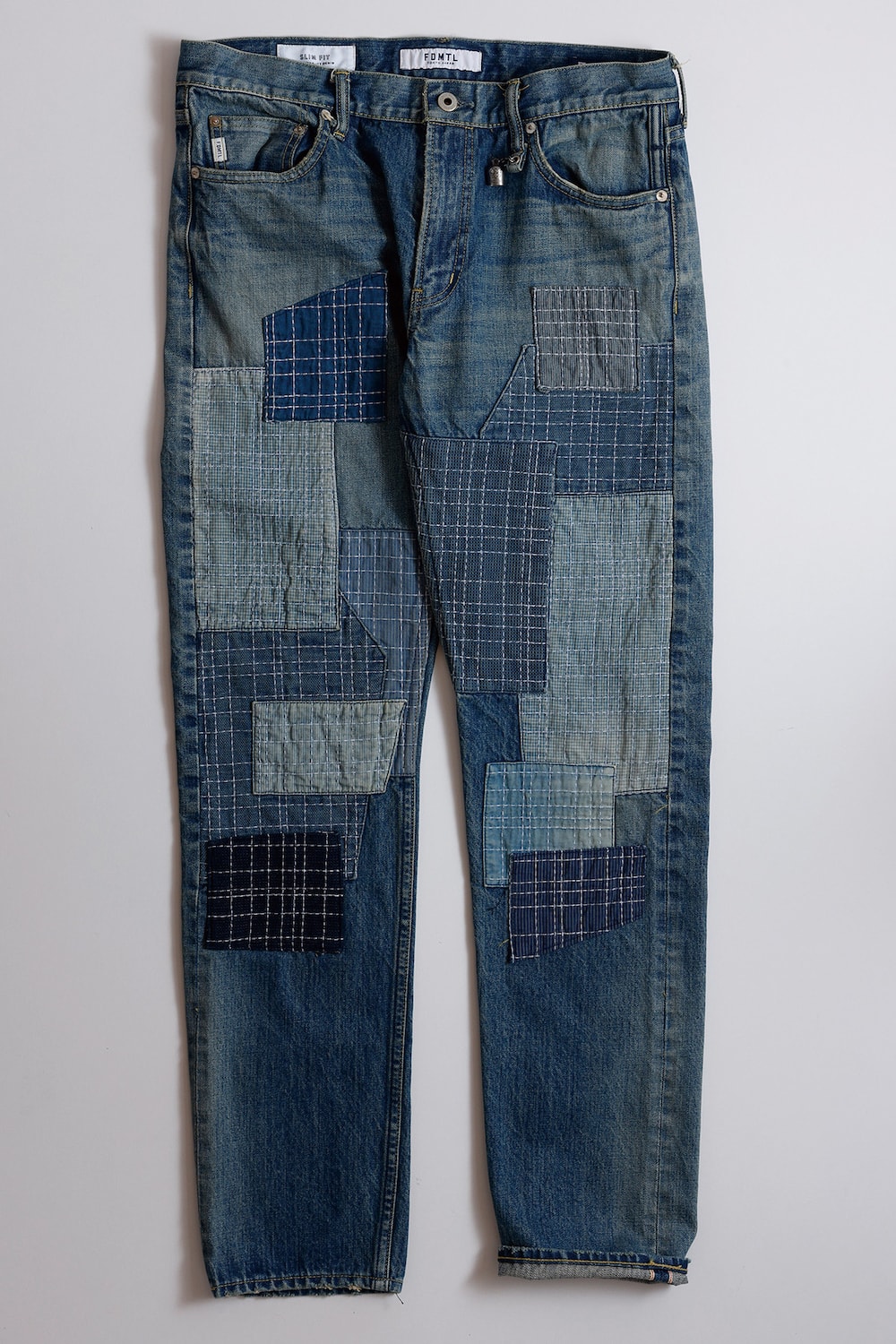
Based on the Sashiko and Patchwork that FDMTL excels at, they feature appealing natural fading and distress processing that looks as if they have been worn for years.
Many fans are drawn to their beautiful finishes, and we particularly want to highlight the classic models featuring the orthodox silhouette known as classic straight.
Each model combines a vintage feel with a highly original modern design, allowing you to enjoy deep character and freshness simultaneously.
First, we will explain the silhouette, details, processing techniques, and materials unique to the classic straight, followed by an introduction to the key points of the new 26SS models and the standard archive models in order.
Where Tradition Meets Modernity: The Face of Patchwork and Remaking
What catches the eye first is the expression of the Patchwork and remaking that form the overall face.
In FDMTL's denim, the ancient Japanese designs of Sashiko and Boro are meticulously expressed using techniques such as jacquard weaving.
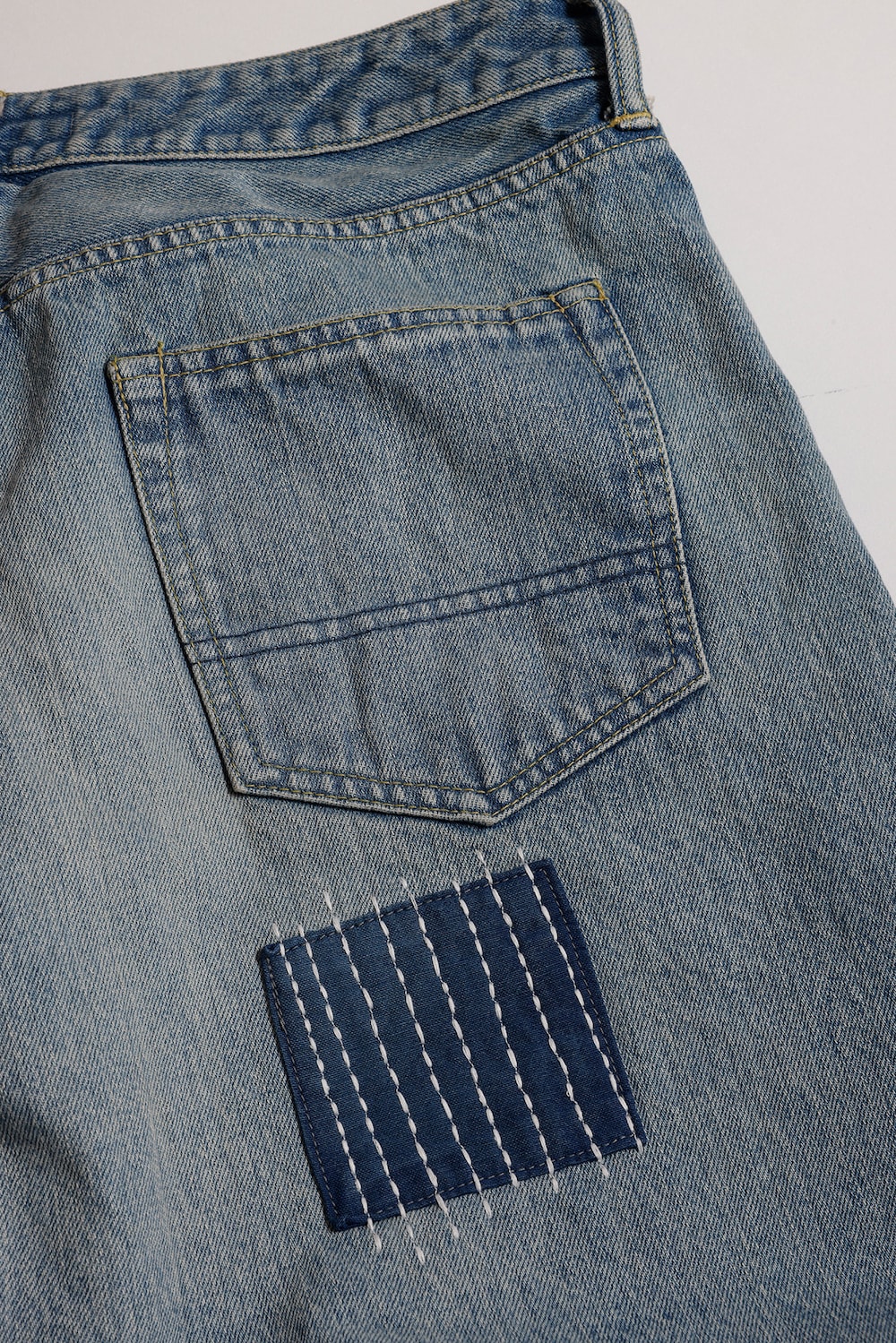
Originally, Boro was born between the Edo and Meiji periods in places like the severely cold Tohoku region, during a time when cotton cloth was precious. It was created by patching worn-out fabrics to continue using them with care.
The fine stitching applied for reinforcement and heat retention is the origin of Sashiko.
Born from the wisdom of daily life and harsh environments, the overlapping patchwork and faded indigo expressions are globally acclaimed today as fabrics possessing a unique beauty.
Design as a Structure for Long-Term Wear
FDMTL designer Mr. Tsuyoshi adopts this Boro and Sashiko not merely as nostalgic motifs, but as crucial elements for creating products that grow on you the more you wear them.
Rather than superficial processing like prints, they go through highly time-consuming processes, such as actually combining various fabrics through Patchwork and constructing patterns at the weaving stage.
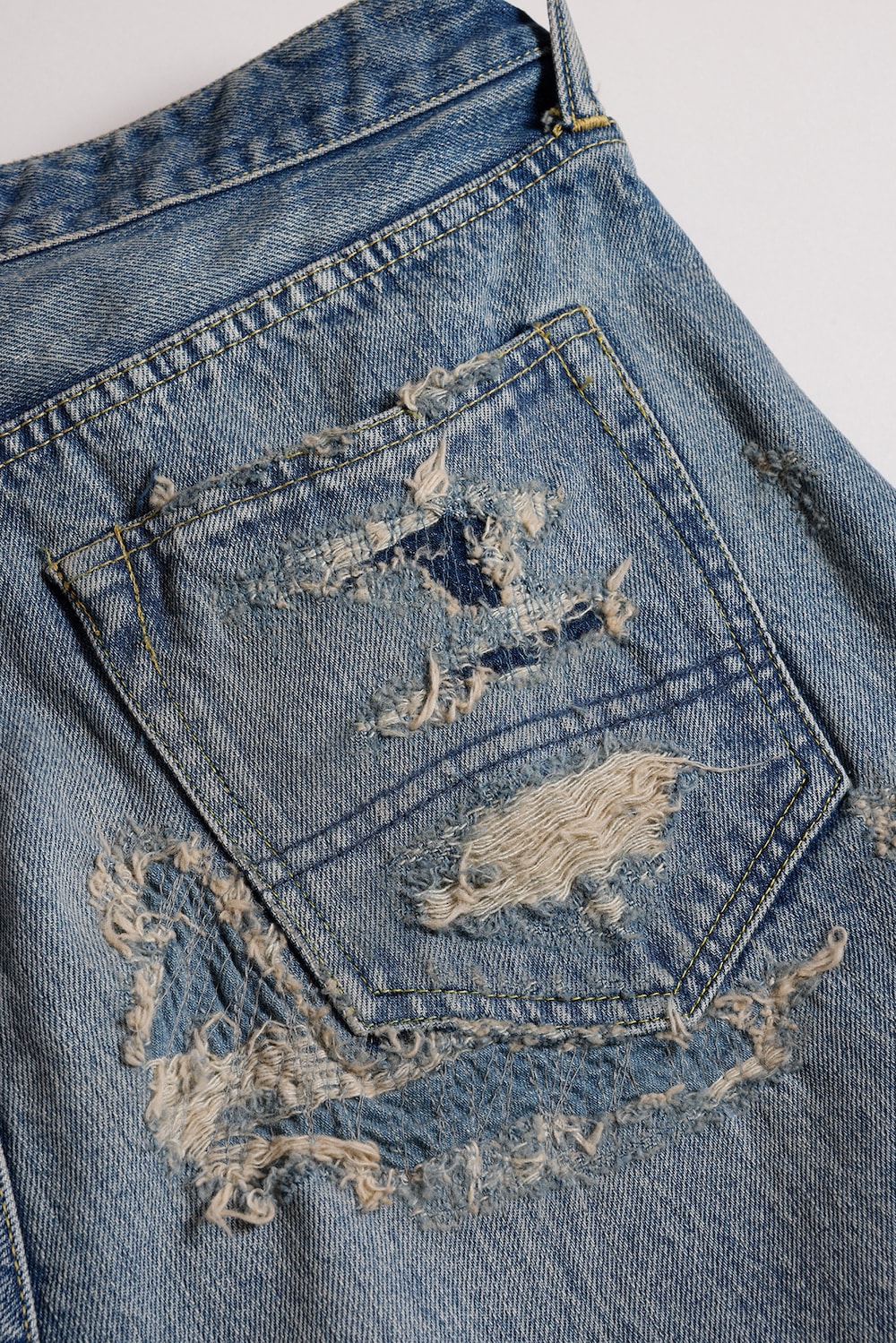
By employing such three-dimensional techniques, as the garment is worn and washed repeatedly over a long period, each fabric fades at a different speed, and natural fading occurs at the stitch points.
In short, the very experience of raising denim—where initially stiff fabrics break in and colors evolve—is designed to become even more profound through this complex design.
Every time we see the new items at exhibitions, we are truly amazed by the high level of their intentional processing techniques.
Natural Aging Achieved by Master Craftsmanship
The Secret to Natural Fading

To perfect the fading and texture, FDMTL denim utilizes various processes such as stonewashing and blasting. However, their greatest feature is that they do not rely entirely on machines; instead, skilled artisans adjust the condition of each individual pair.
When using extensive Patchwork, highly delicate work is required, such as bringing out different fades for each patch while ensuring the overall piece comes together naturally. This dedication is the secret to achieving a natural yet truly unique vintage feel.
The Brilliance of Distress and Repair Processing
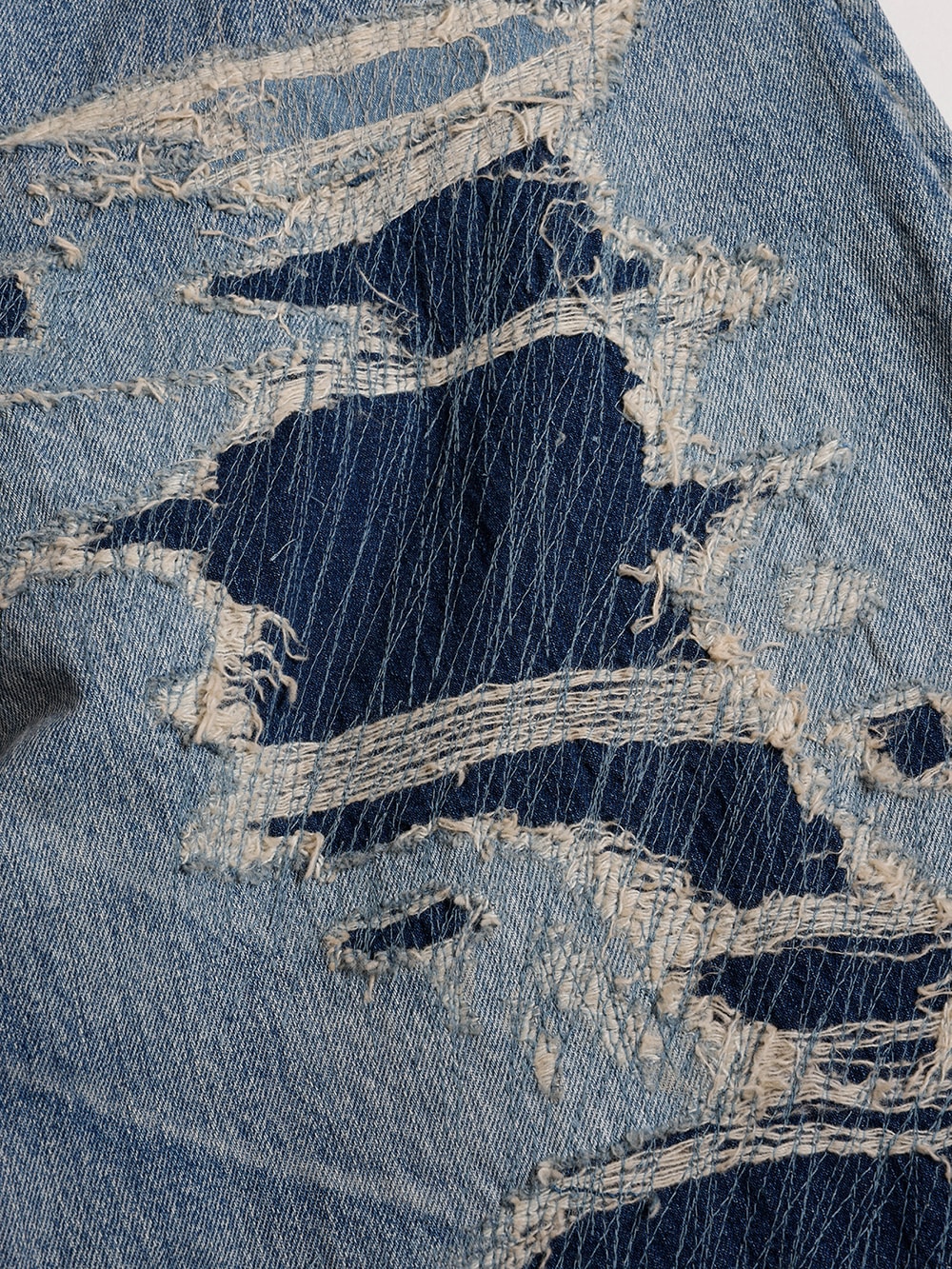
In models with full-surface distress, rather than just leaving holes, they reinforce them with patches and stitching, elevating those parts into design elements. If you look closely, the stitchwork on the repair parts differs subtly, offering an appealing analog warmth.
Furthermore, models fusing Patchwork and distress are designed to gain even more character through aging. Because the processing is not uniform, you can enjoy watching the contrast between patches intensify or the distressed areas become soft and broken-in as you wear them.
Balancing a Used Feel with "Newness"
The appeal of FDMTL is that, while grounded in a used feel, it also possesses a modern and fresh design sense. Its strength lies in skillfully utilizing contrasts, such as scattering highly crafted designs like Patchwork and Sashiko while keeping the silhouette modern.
Uncompromising Quality in Materials and Dyeing

Okayama Selvedge Denim
The foundation of the design utilizes globally acclaimed Okayama Selvedge denim.
Selvedge denim, woven on vintage shuttle looms, is difficult to mass-produce, but it allows for subtle control of thread tension, making it easier to produce a texture that gains character the more it is worn.
It is precisely because of these irregularities that distinct fading occurs with repeated wear, evolving into your own personal vintage.
Even when combining multiple fabrics like in the CS121 and CS125, because the base is solid, the durability of the denim itself is not easily compromised despite heavy processing. Furthermore, hand-worked whiskering and shaving by artisans are applied to make them soft and easy to wear from the start. This fabric selection perfectly aligns with the brand's concept of long-term wear.
The Depth of Indigo Dyeing
For the indigo dyeing, a time-consuming technique known as skein dyeing is used.
By meticulously adjusting the number of times it is dipped in dye and the time it is exposed to air, a deep hue and beautiful aging are achieved.
FDMTL's denim goes beyond the scope of mere processed denim, resulting in high-quality products that impress even the most discerning denim enthusiasts seeking true value.
Meticulously Crafted Details

The details of the Classic Straight Denim fuse a deep knowledge of vintage with FDMTL's unique playfulness.
While incorporating details seen in vintage denim throughout, modern elements and original touches are added, giving it an unparalleled presence.
Hidden Rivets
Faithful to originals from before the 1960s. By hiding the rivet heads on the inside, care is taken not to damage the skin or other clothing. While simple on the outside, it is actually a labor-intensive specification.
Also, because the rivets are hidden inside, the fabric is slightly pulled, creating subtle differences in fading as it is worn, adding to its character.
Button Fly
A rugged detail from before zippers became mainstream, boasting the advantage of being difficult to break. As you repeatedly open and close the button fly, fading appears around the buttonholes, allowing you to enjoy a more three-dimensional fade.
Keyholder Loop (Left Pocket Opening)
A functional detail derived from workwear. Historically intended to hang pocket watches or keys, it serves as a fashionable accent today.
Charm Bell Below the Belt Loop
A small, detachable bell gives off a subtle presence. Making a faint sound with every step, it enhances the feeling of raising the denim—a playful feature unique to FDMTL.
Masterful Stitchwork
Carefully reproducing sewing techniques reminiscent of vintage styles, such as triple stitching and chain stitching. Additional stitches on Patchwork and repair sections sometimes intentionally use contrasting threads, blending seamlessly as part of the design.
Other Detailed Touches
Calculating the subtle used feel generated with every wash, from the shape and angle of the back pockets to the puckering created by the hem finish (chain stitch). It is designed to let you enjoy unparalleled aging through long-term wear.
Through the combination of these diverse details, FDMTL's classic straight achieves both functionality and design. Respecting the artisan handwork and the DNA of good old workwear, while offering a sense of "newness" that holds its own in the modern fashion scene, is arguably the reason it continues to captivate so many fans.
The Universal and Beautiful Classic Straight Silhouette
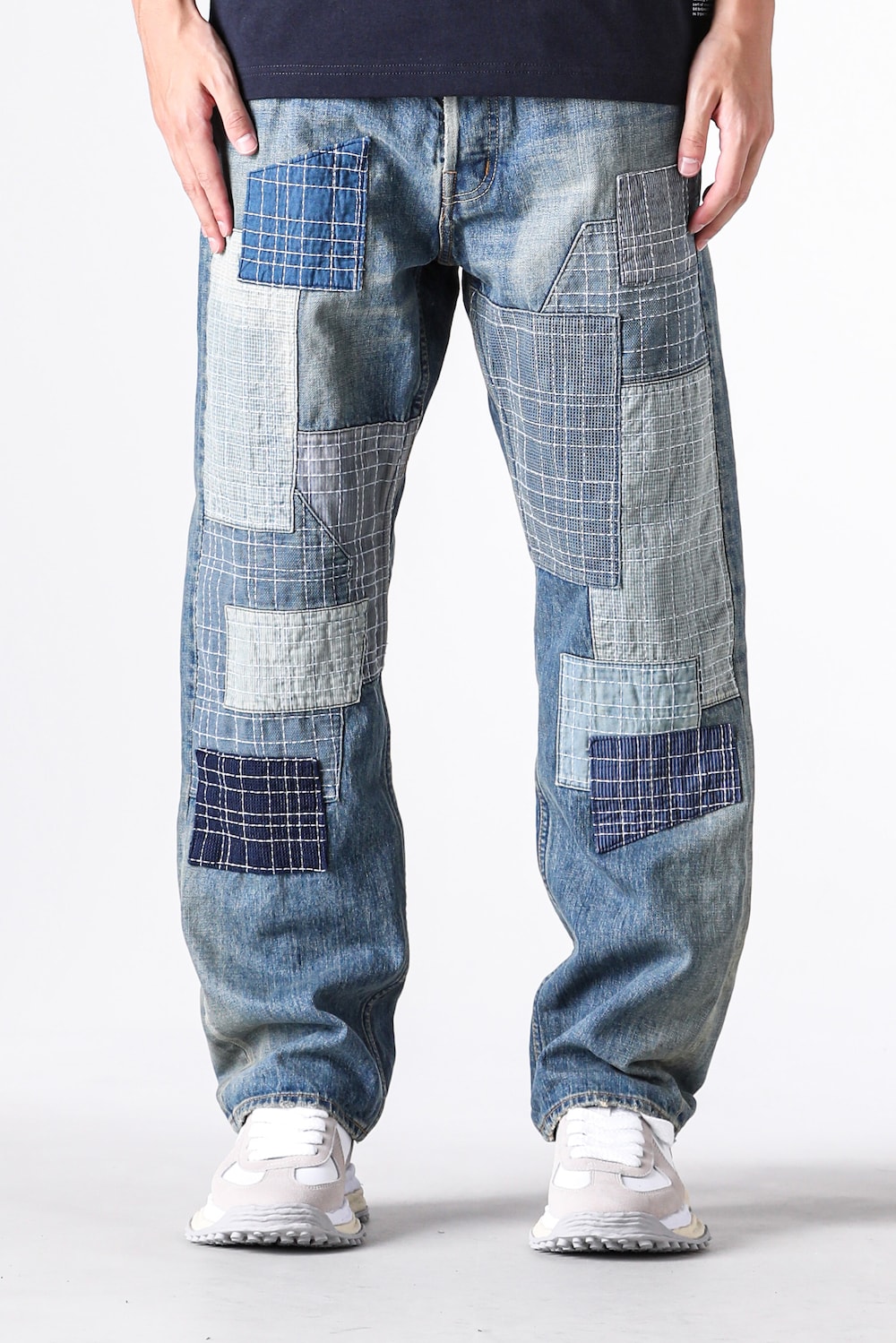
Regarding the silhouette, it adopts the authentic FDMTL classic straight that is unaffected by trends. Based on the orthodox straight silhouette of vintage denim, a slight taper is added to the details. As a result, while there is a comfortable roominess from the hips to the thighs, the lower legs look neat. It feels like a slightly relaxed Levi's 501, characterized by its refusal to look unrefined.
The rise is set just right, neither too deep nor too shallow, drawing a beautiful straight line that falls cleanly from the waist down to the hem.
Styling Image and Versatility

With its exquisite width that is neither too wide nor too narrow, it pairs well with any footwear, from bulky sneakers to low shoes and boots.
The relaxed feel from the waist to the thighs means you won't easily get tired even during long travels or active movements. It provides a sense of security, allowing anyone to wear it beautifully balanced regardless of age or body type. It is highly regarded as a "staple" you can love forever, unswayed by trends.


When you actually wear them, a comfortable space forms around your legs, making them less prone to stuffiness in hot seasons and easy to layer with innerwear in cold seasons, creating an incredibly versatile silhouette for all seasons. In spring and summer, pair them lightly with T-shirts or summer knits, and in autumn and winter, tighten the look with jackets or coats to bring out a seasonal feel while letting the denim's expression shine.
Whether matching roughly with a simple T-shirt or putting together a mature look with shirts and jackets, it accommodates a variety of stylings from street to clean-cut. Because it is a basic form unconfined by trends, it displays great compatibility with any tops or shoes.
Four Classic Straight Denims with Distinct Expressions (26SS)
Let's take a look at four models produced with different approaches from this season's lineup.
1. CS133 / Grid-like Sashiko and Patchwork Model
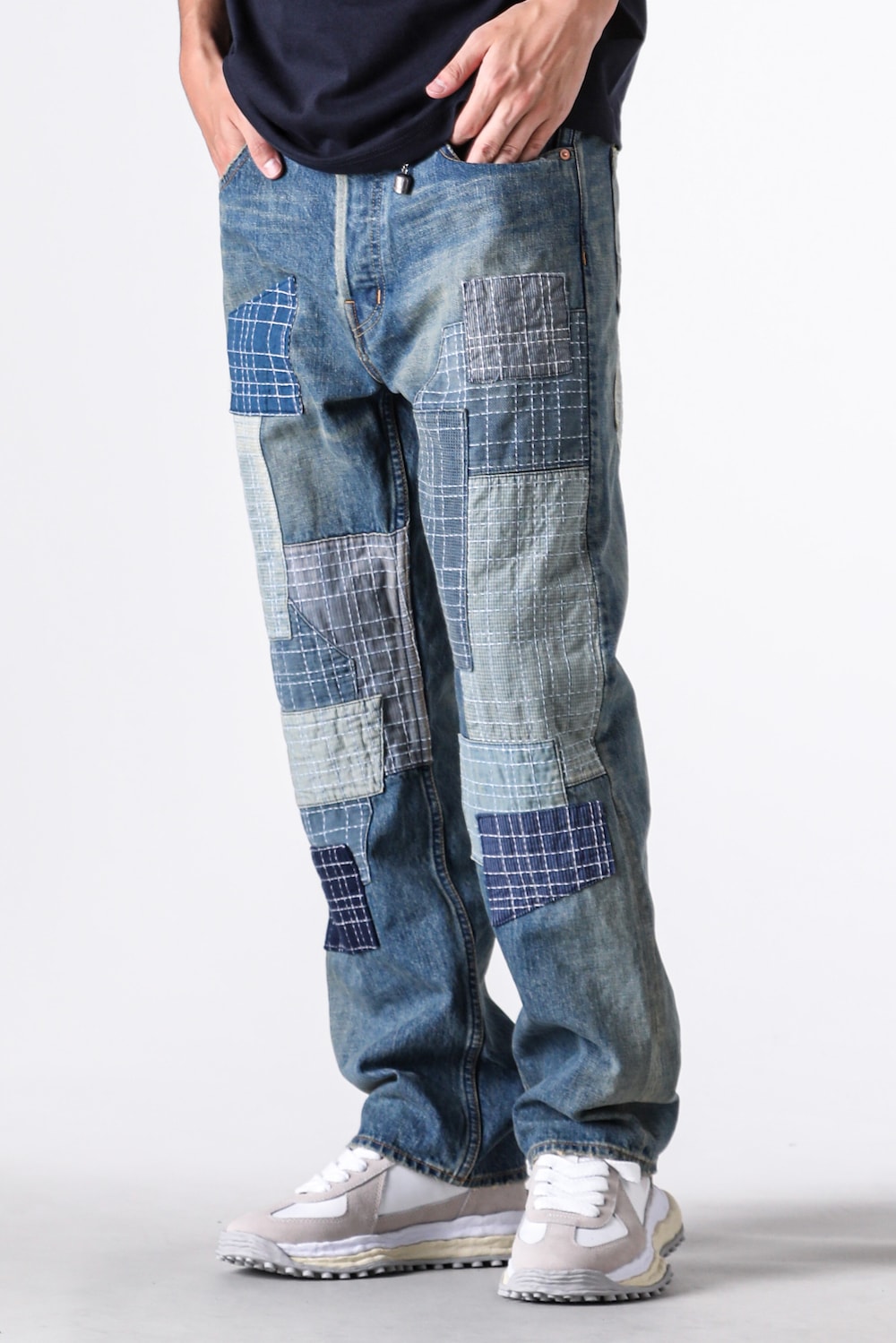
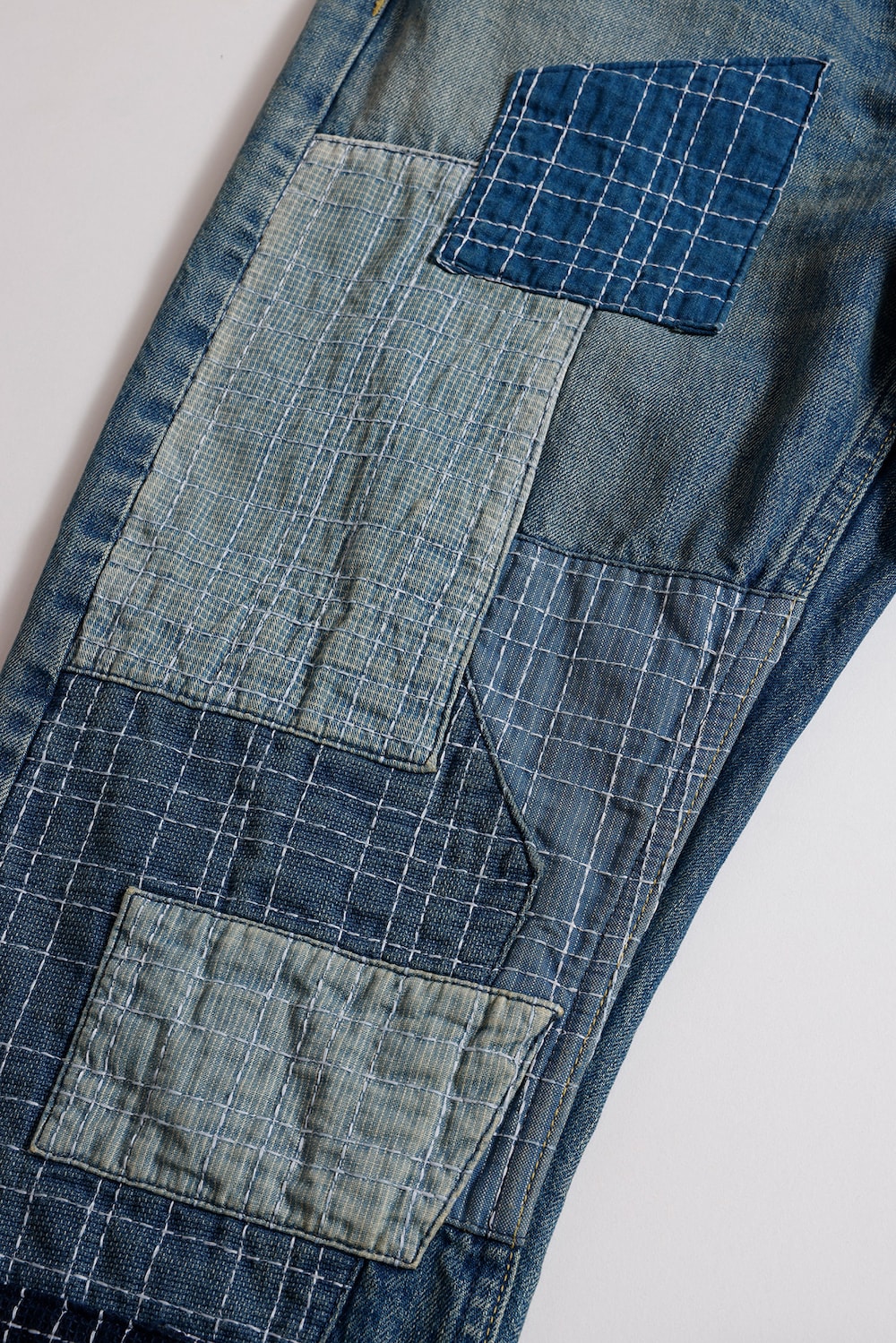
The first is a pair that symbolizes FDMTL, featuring denim with natural fading that looks as if it has been worn for years, carefully detailed with Patchwork repairs using a wide variety of fabrics and grid-like Sashiko, a traditional Japanese technique.
The stitchwork is also complex, functioning as a design accent while maintaining strength.
It is a piece that crystallizes the brand's technical prowess, offering the reliability of completing a coordinated look just by pairing it with simple tops.
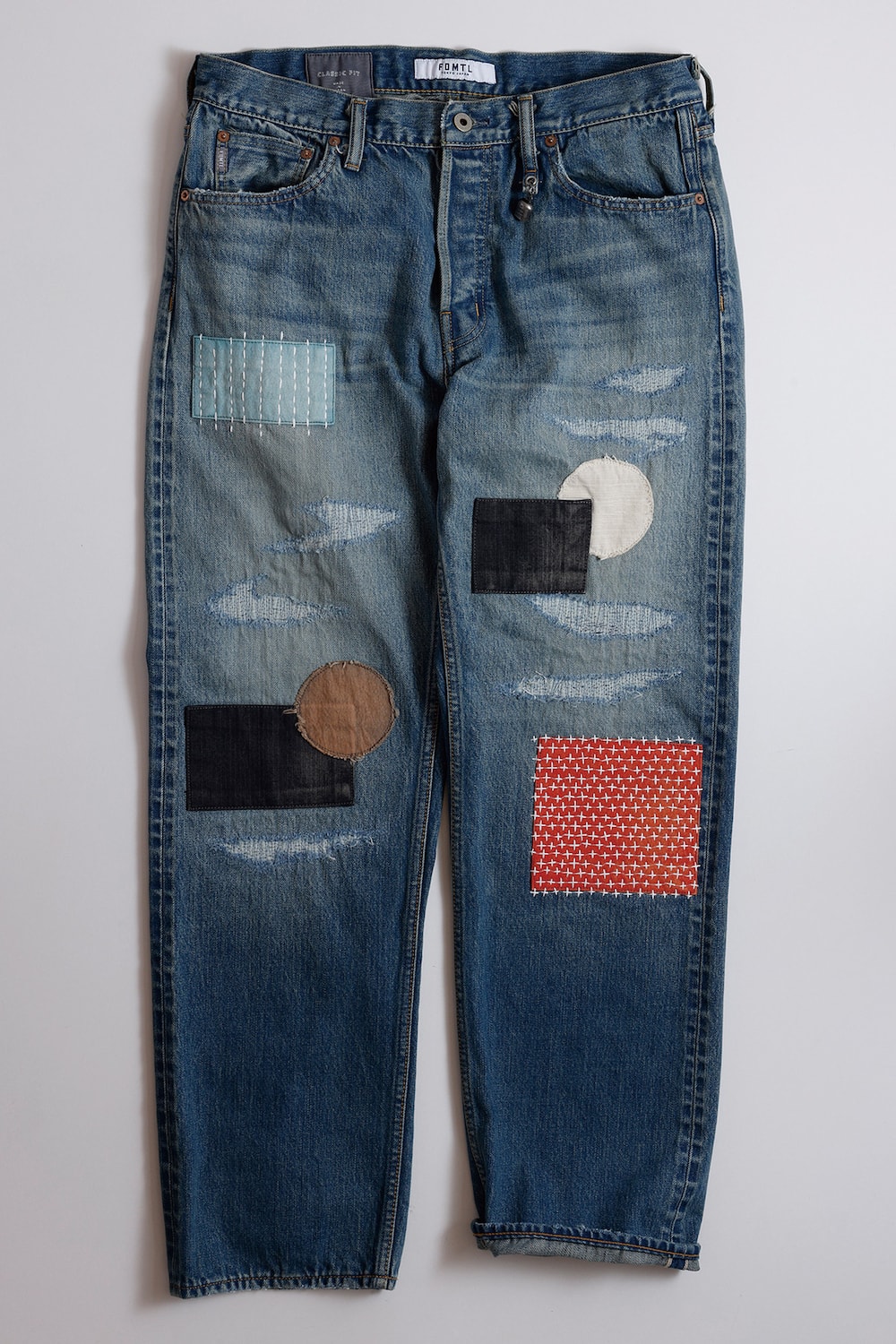
2. CS134 / Patchwork and Sashiko Model Combining Various Textiles
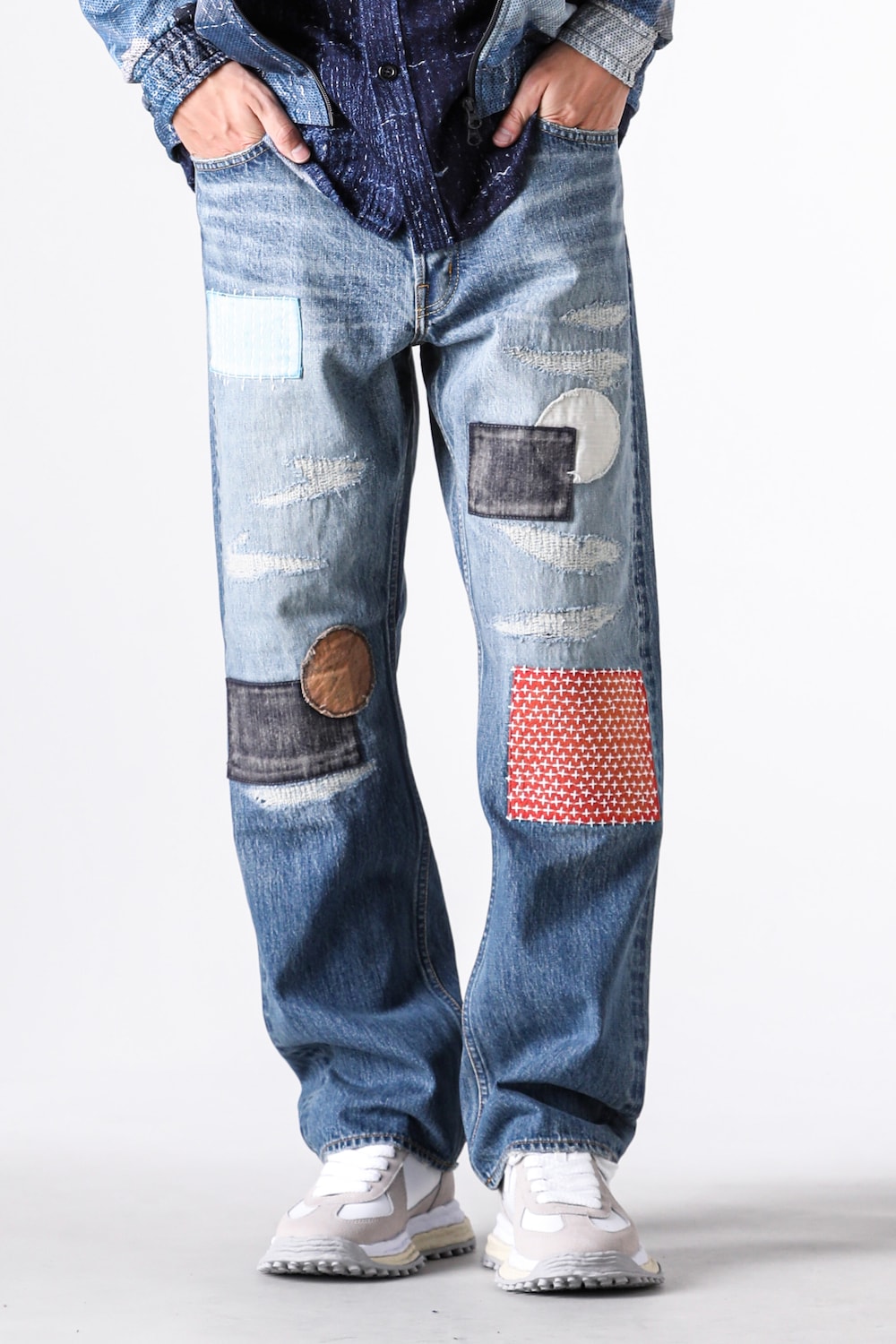
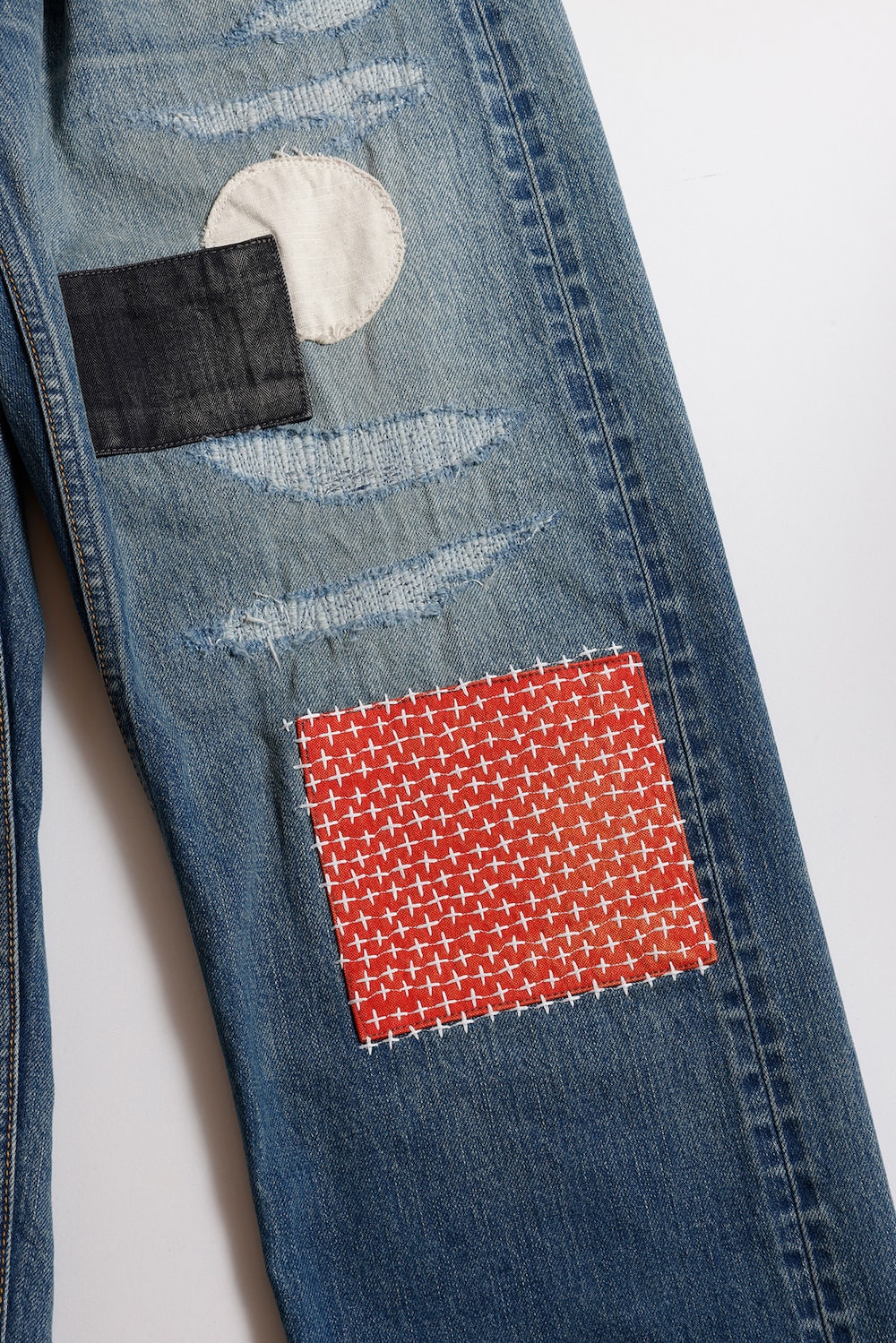
In addition to fading and whiskering, it heavily incorporates details that represent the brand's identity, such as distress, repair, and Patchwork and Sashiko combining various textiles.
The Sashiko fabric used for the patches serves as an accent, imparting the delicacy of traditional Japanese crafts within its ruggedness.
The artisan-handcrafted expressions of shaving and fraying are incredibly realistic, making it highly recommended for those who want to enjoy the broken-in vibe unique to vintage jeans right from the start.
3. CS135 / A Chic Model Based on Fading Reminiscent of Hard Wear
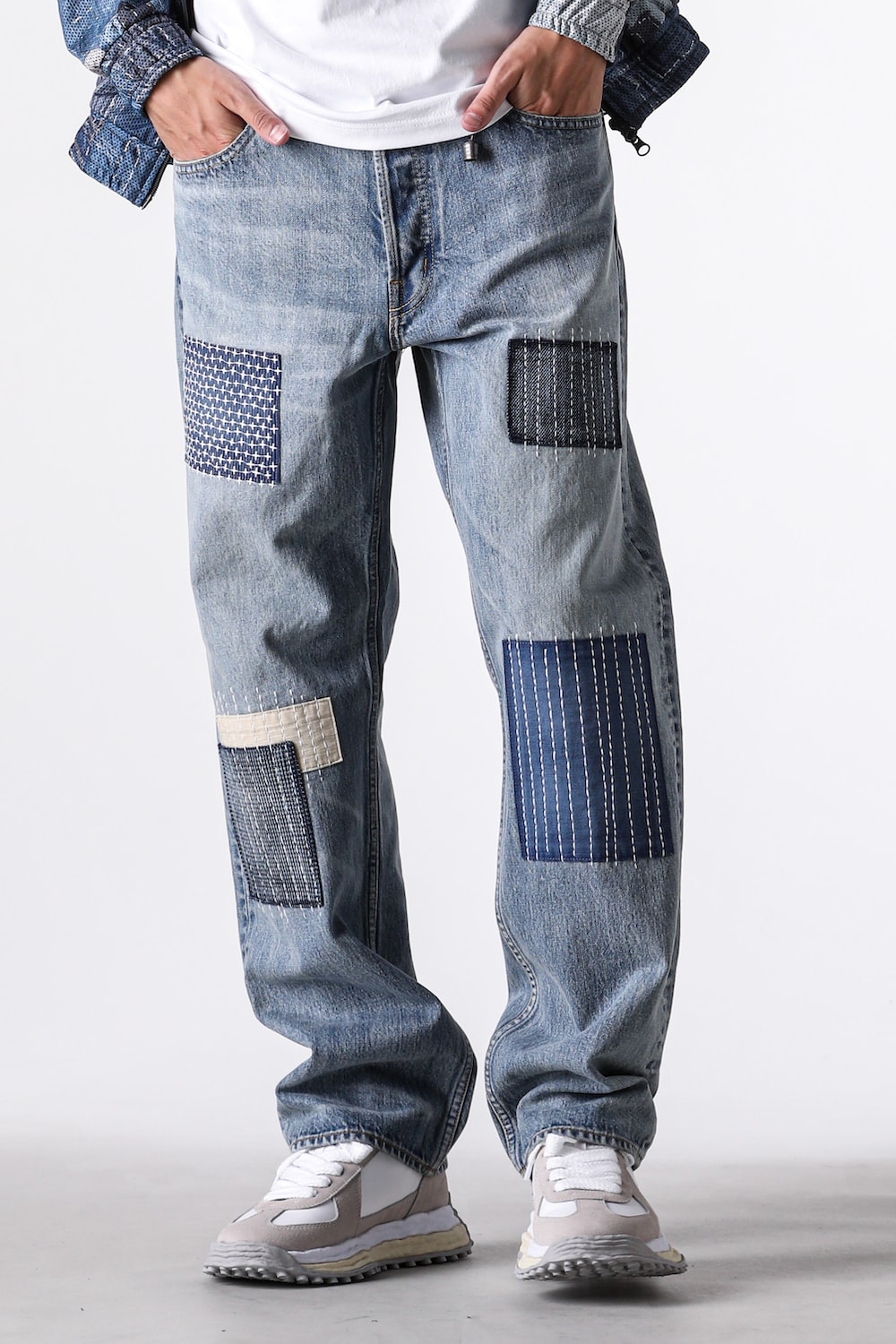
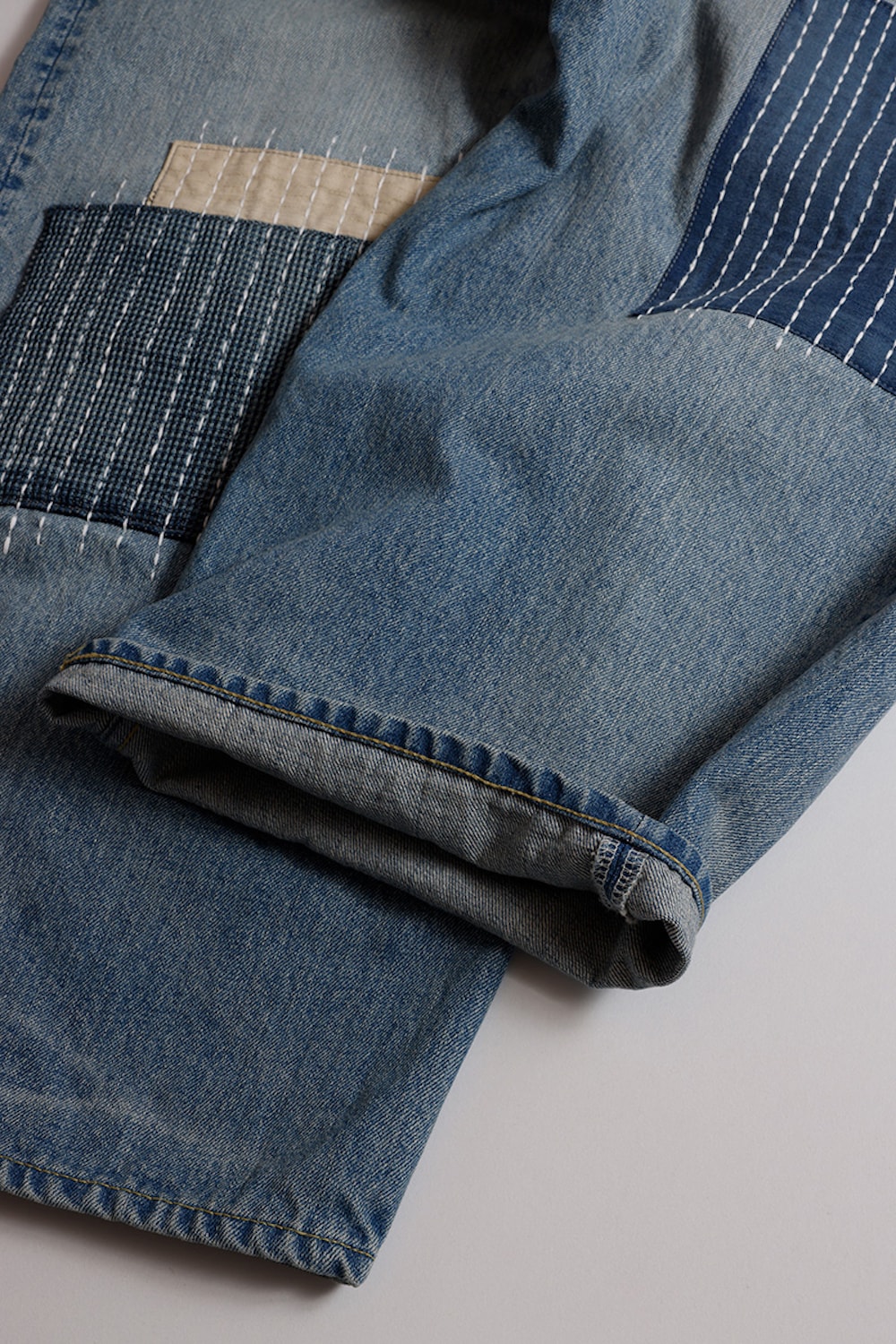
This model features fading that looks as though it has been worn hard for many years, alongside carefully closed repair marks.
The Sashiko fabric used for the patches serves as an accent, imparting the delicacy of traditional Japanese crafts within its ruggedness.
4. CS136 / A Repaired Model with Patches Based on Natural Fading
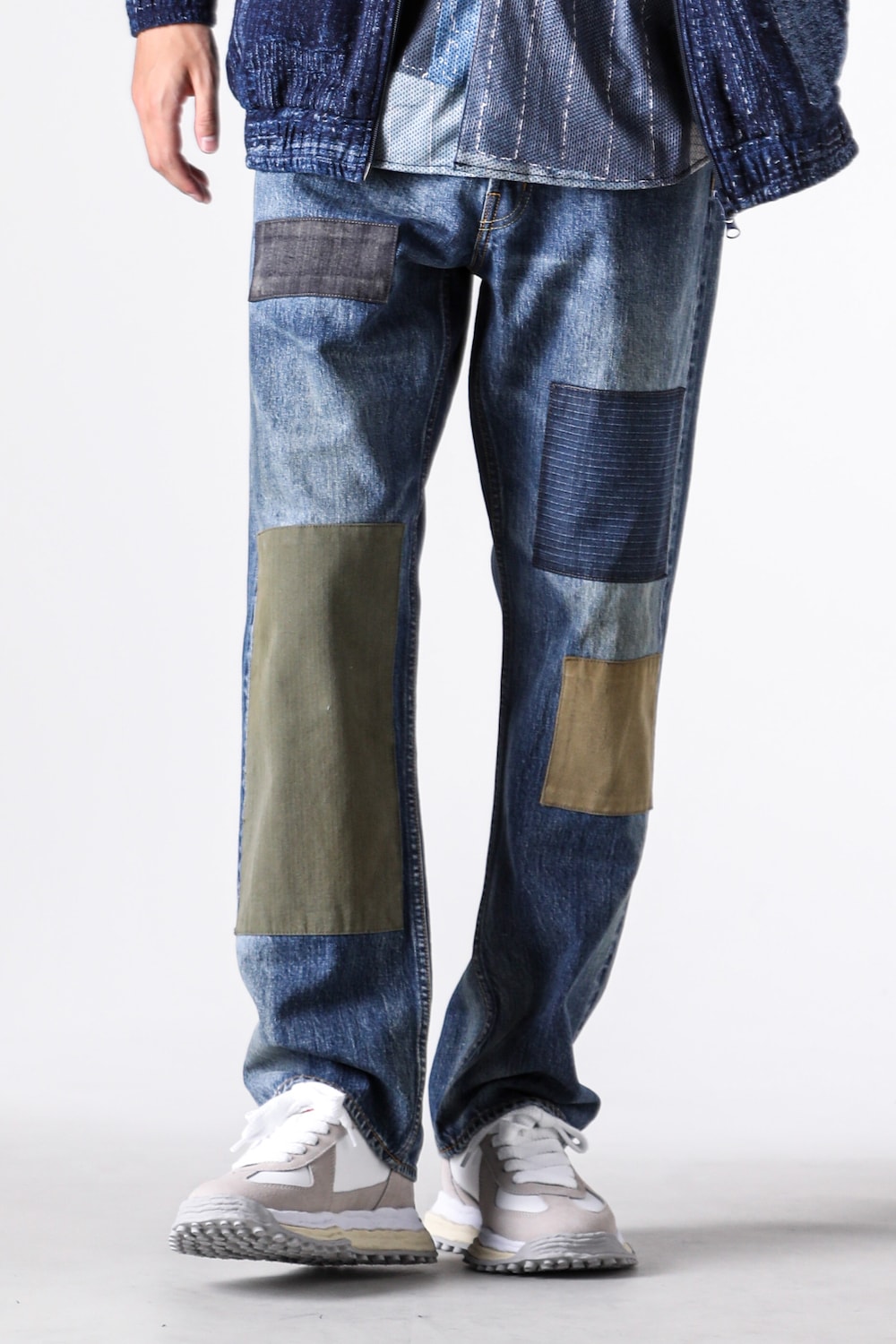
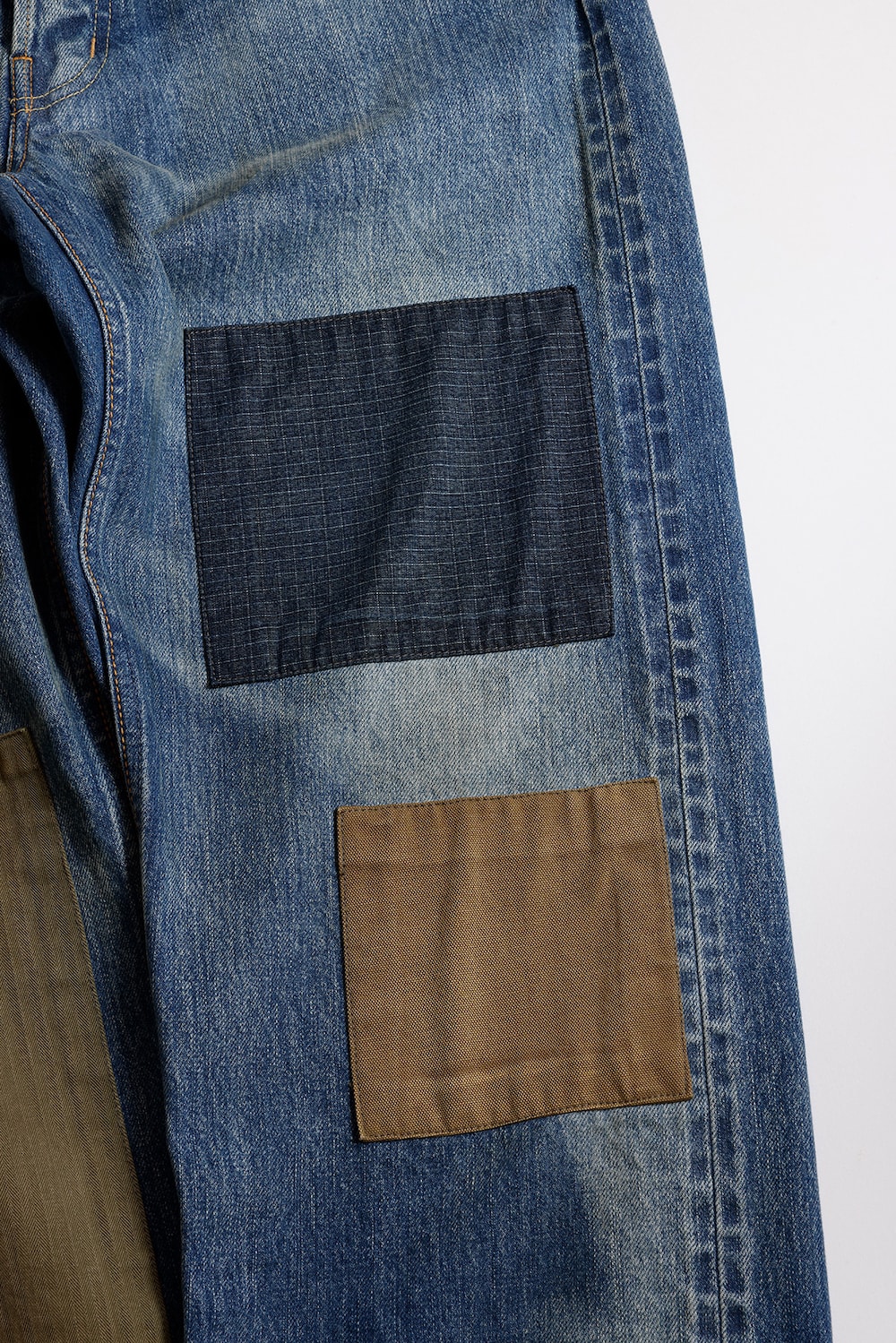
Characterized by various large and small Patchwork, Sashiko, and patch repairs based on natural fading. While offering a soft wearing experience, the uneven texture of the fabric woven on vintage looms is directly transmitted.
It offers the joy of developing your own wear creases and whiskers from this point on, making it perfect for clean stylings paired with jackets or shirts.
Four Stylings Incorporating the Classic Straight
We propose stylings actually using these denims.
We hope you use them as a reference to leverage each distinct personality.
Styling 1: Patchwork × Casual Top
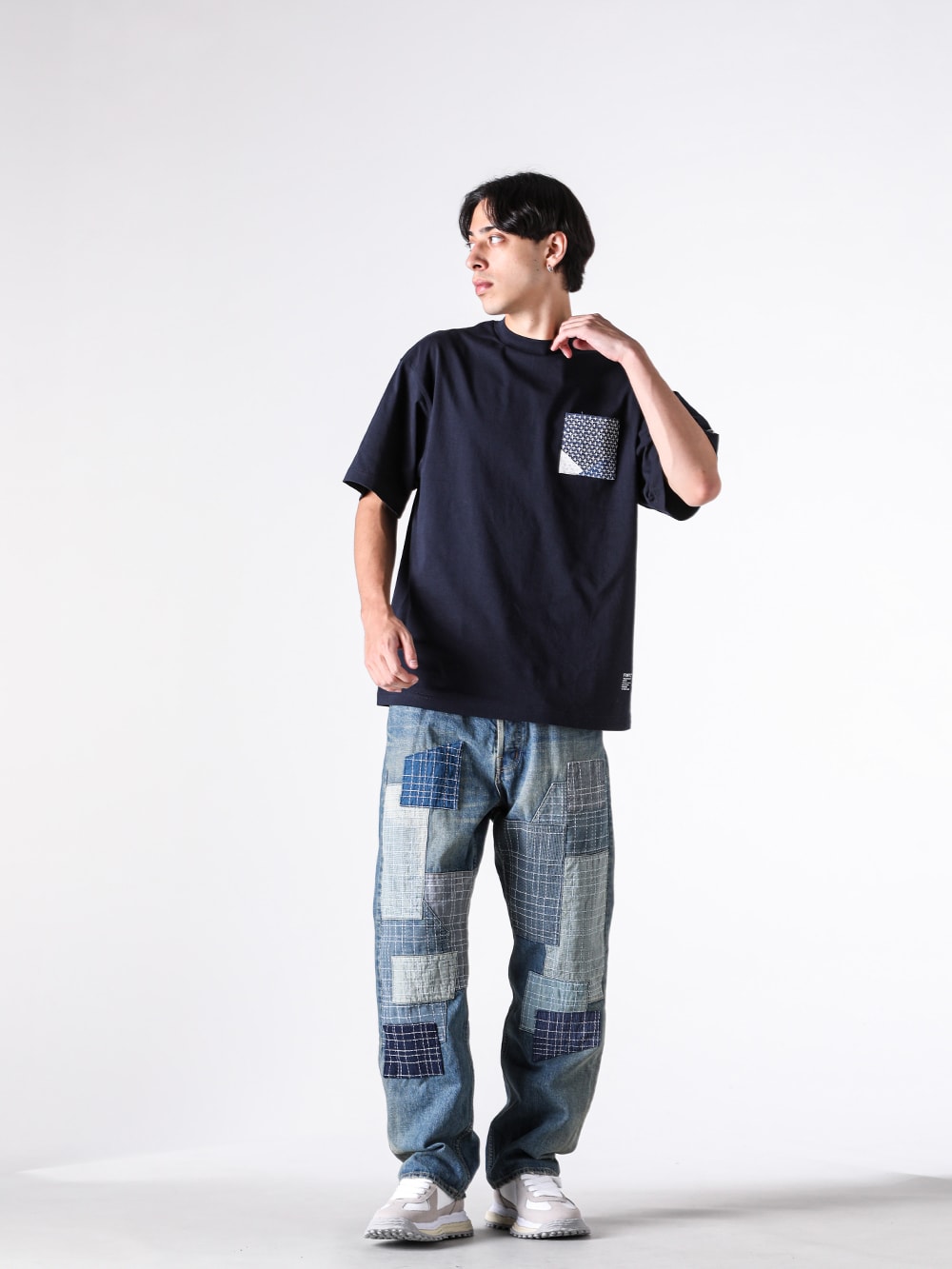
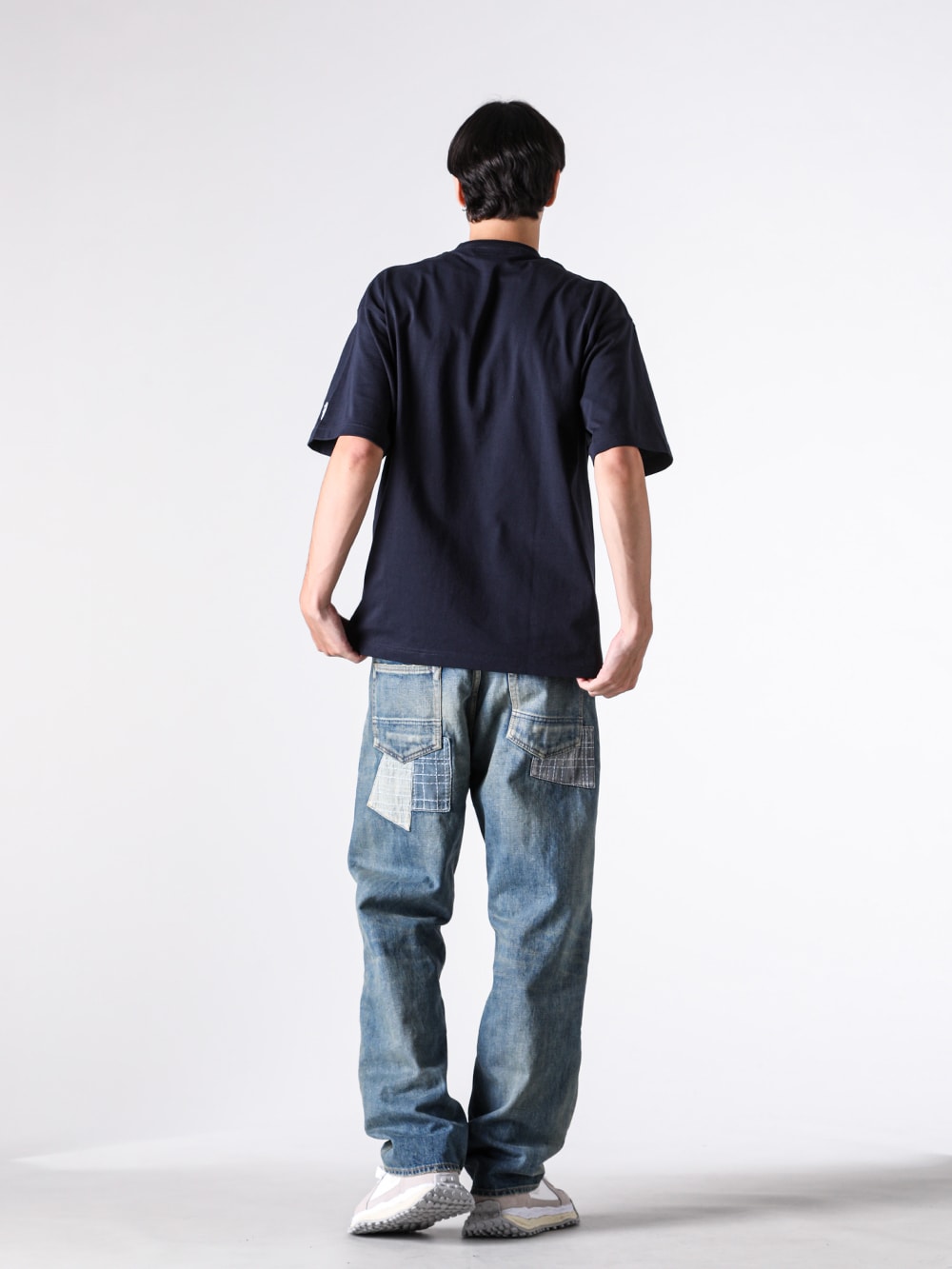
With the highly designed Patchwork denim as the lead, the tops are kept simple.
Because the denim makes a strong statement, subduing the colors of other items highlights the presence of the pants even more.
Styling 2: Crash Denim × Layered Style
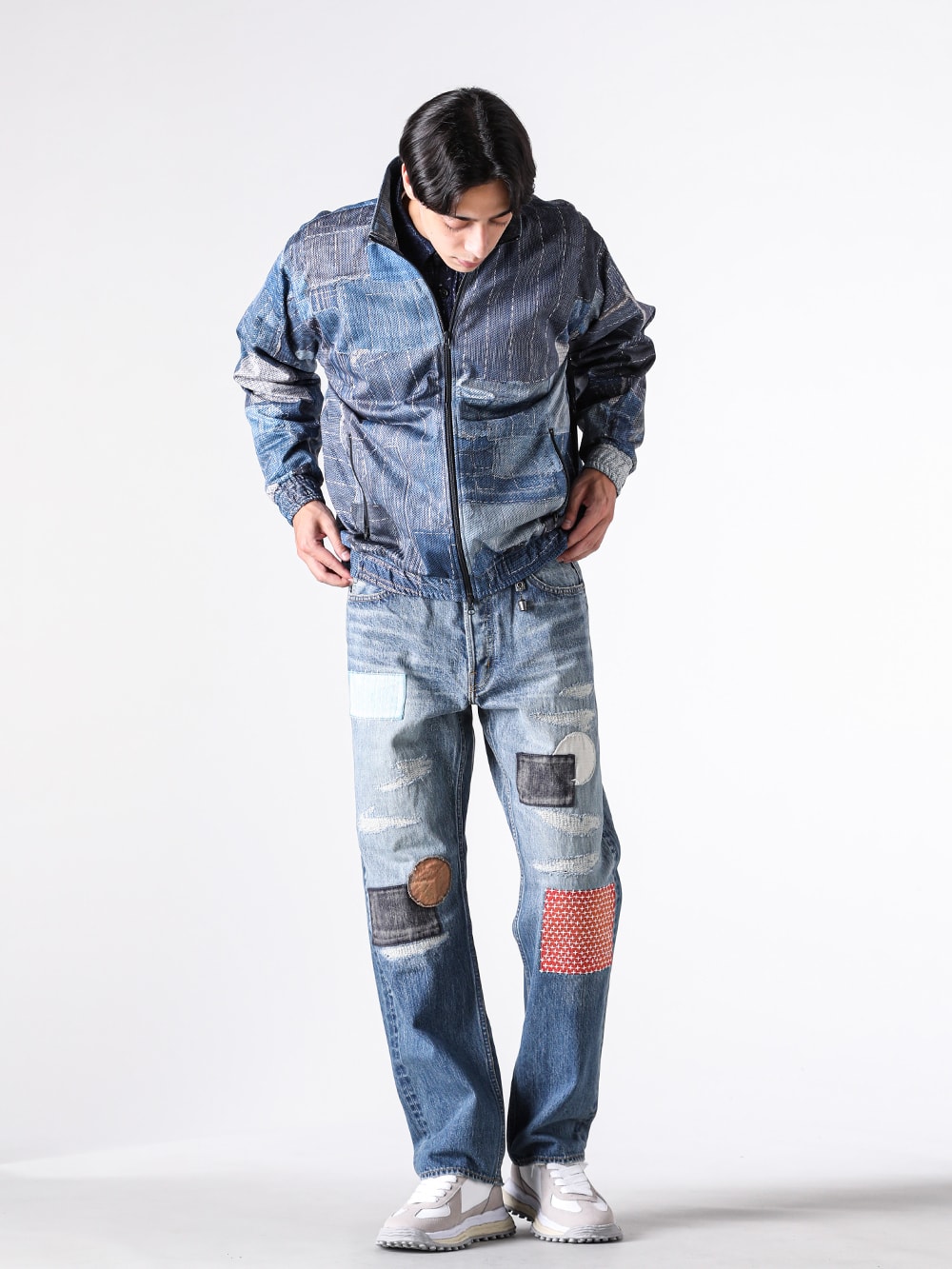
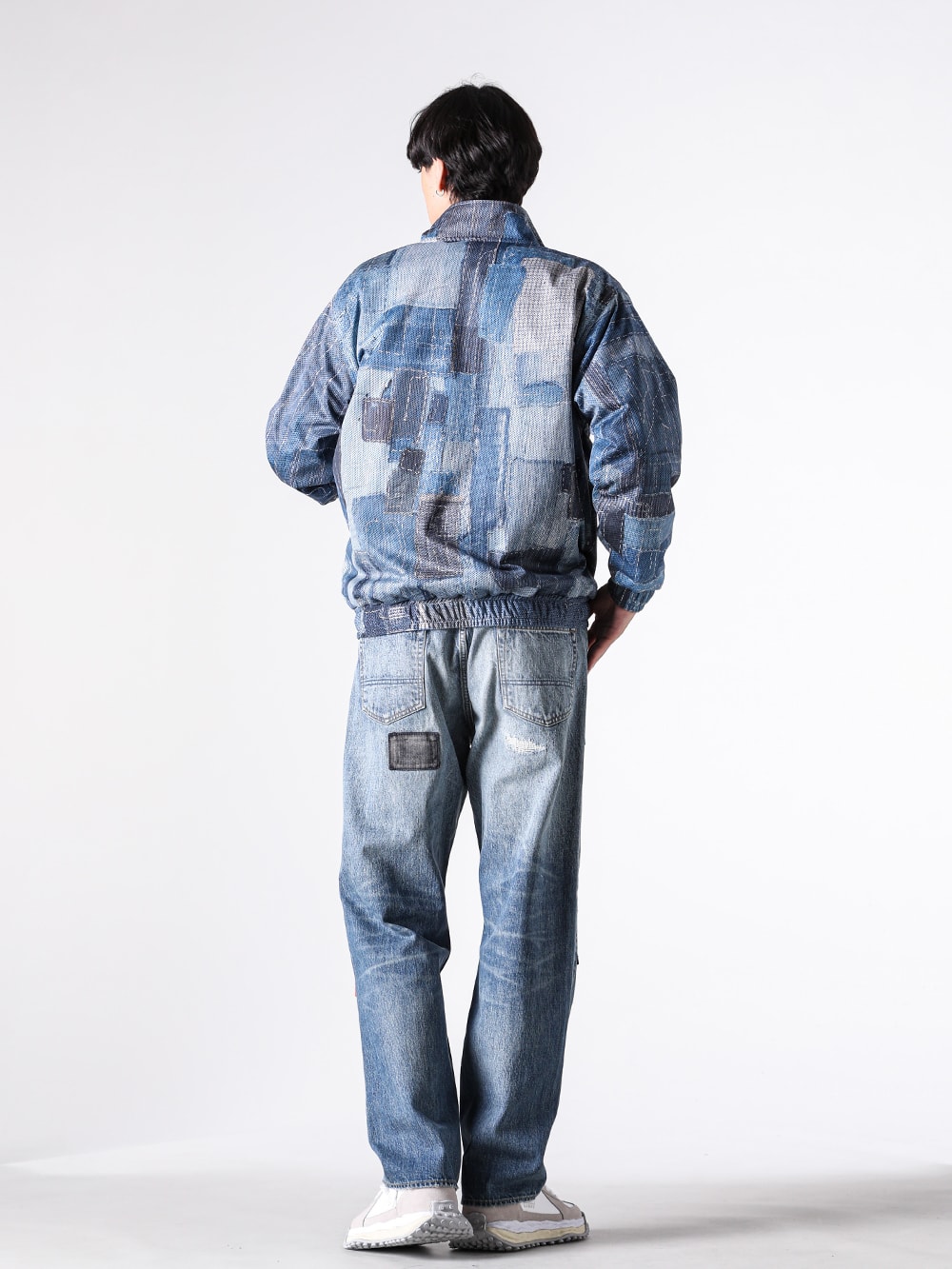
For hard crash denim, we recommend pairing it with slightly longer tops to create layers.
The straight fall of the classic straight smoothly neutralizes the volume of the tops.
Styling 3: Black Denim × Dark Tones
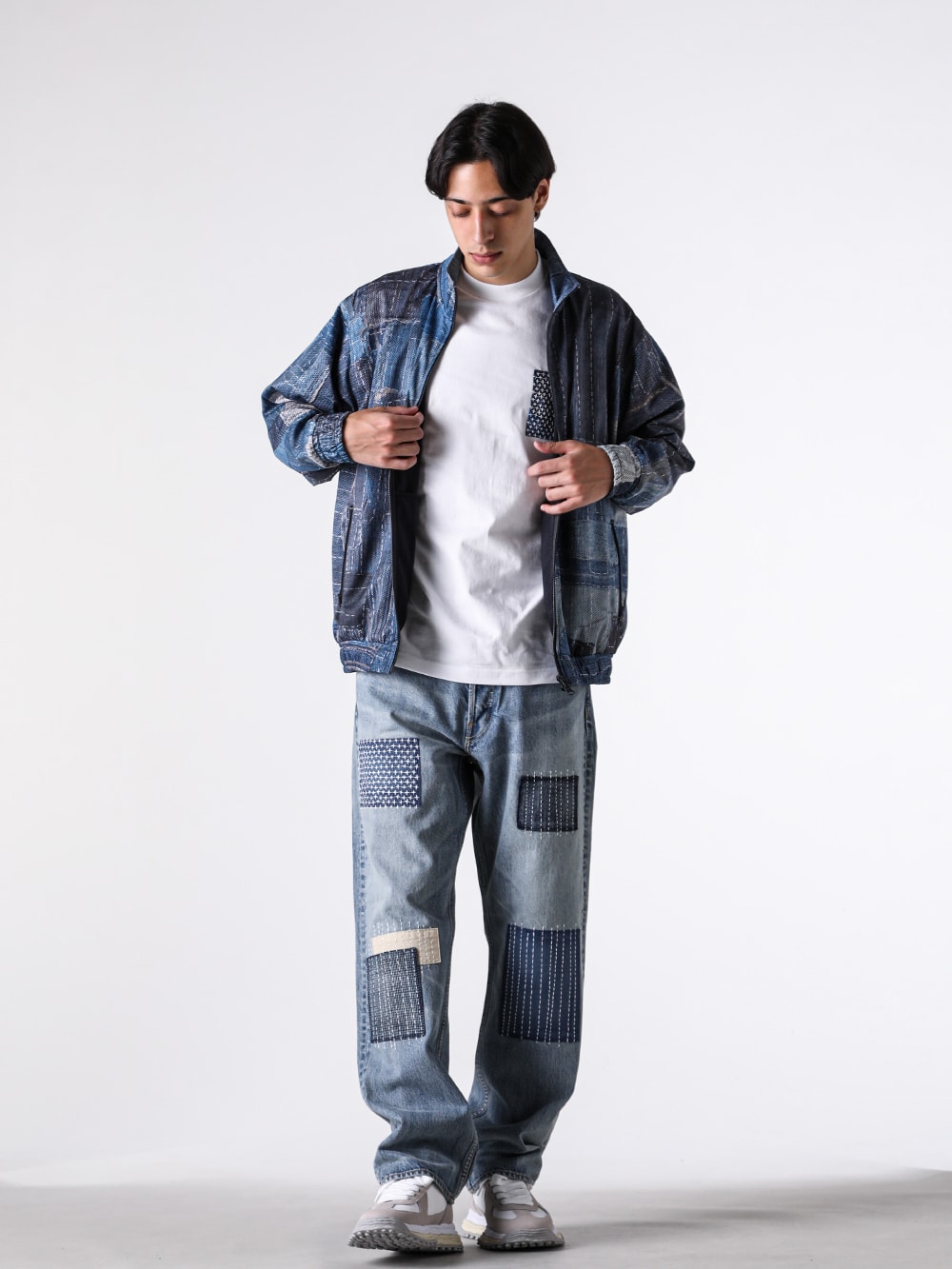
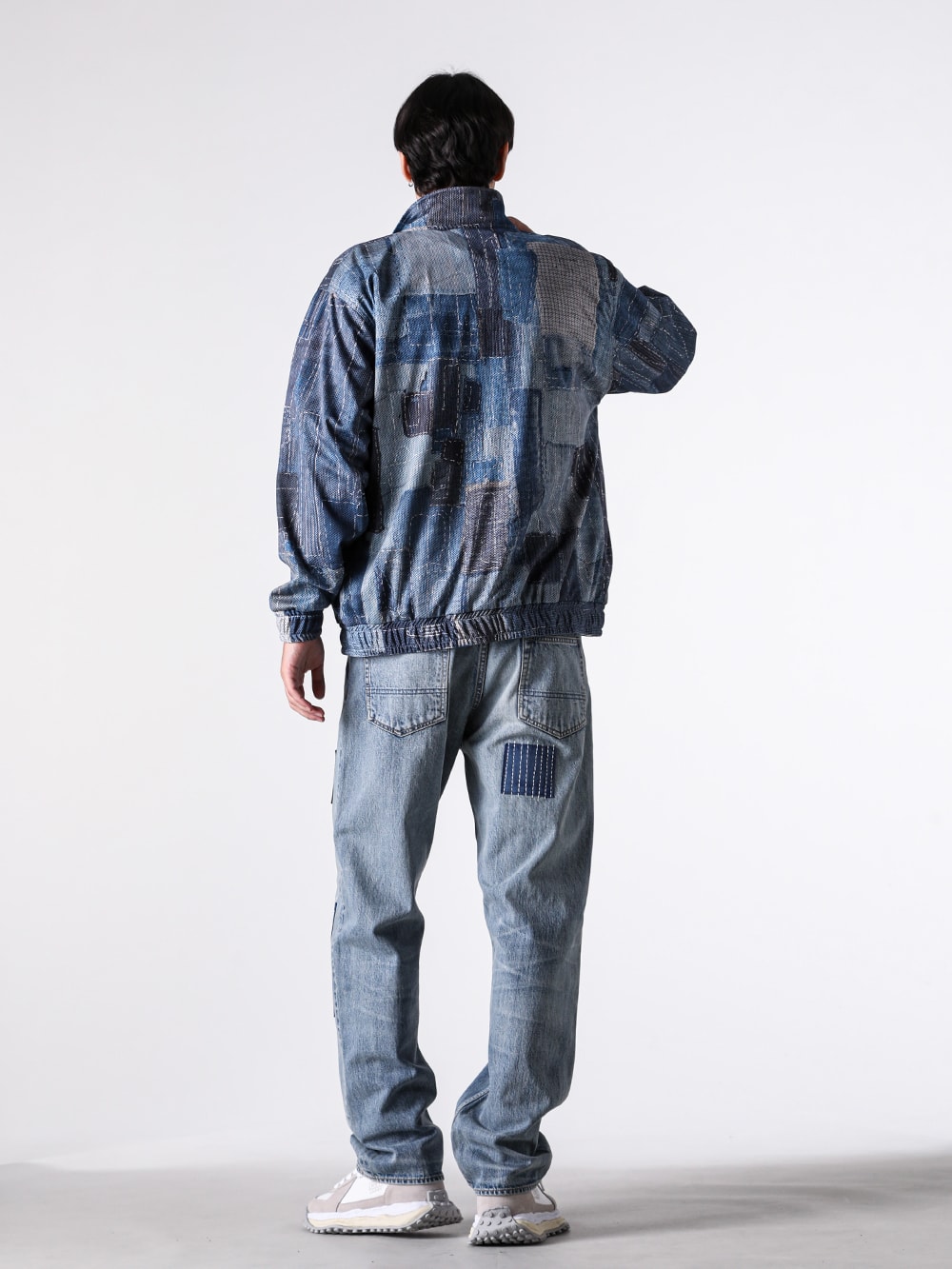
A chic coordination entirely unified in dark tones, centered around the black classic straight denim.
The faded texture of the denim prevents an all-black look from becoming too heavy, adding an appropriate sense of effortlessness.
Styling 4: One Wash × Clean Shirt Style
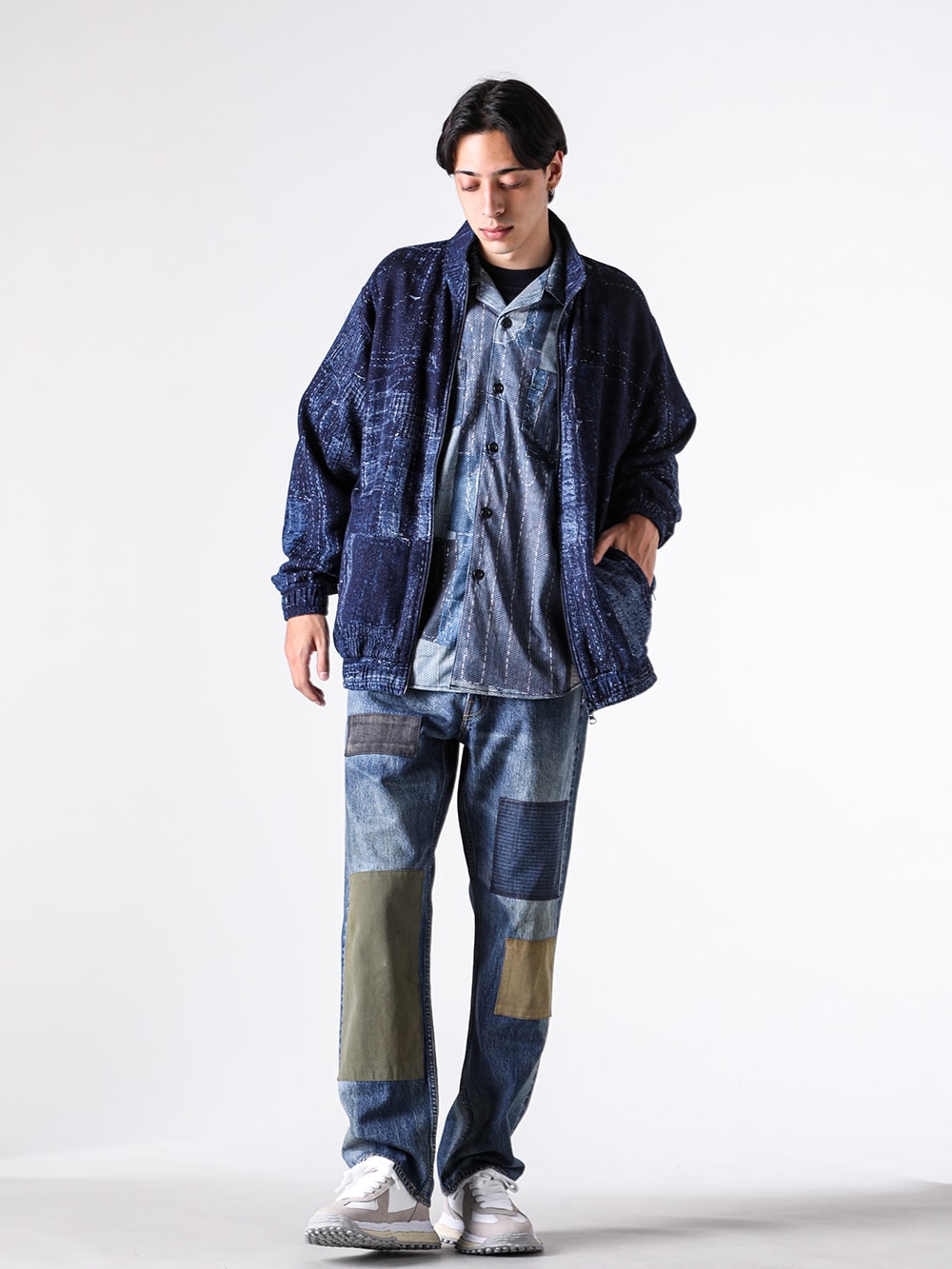
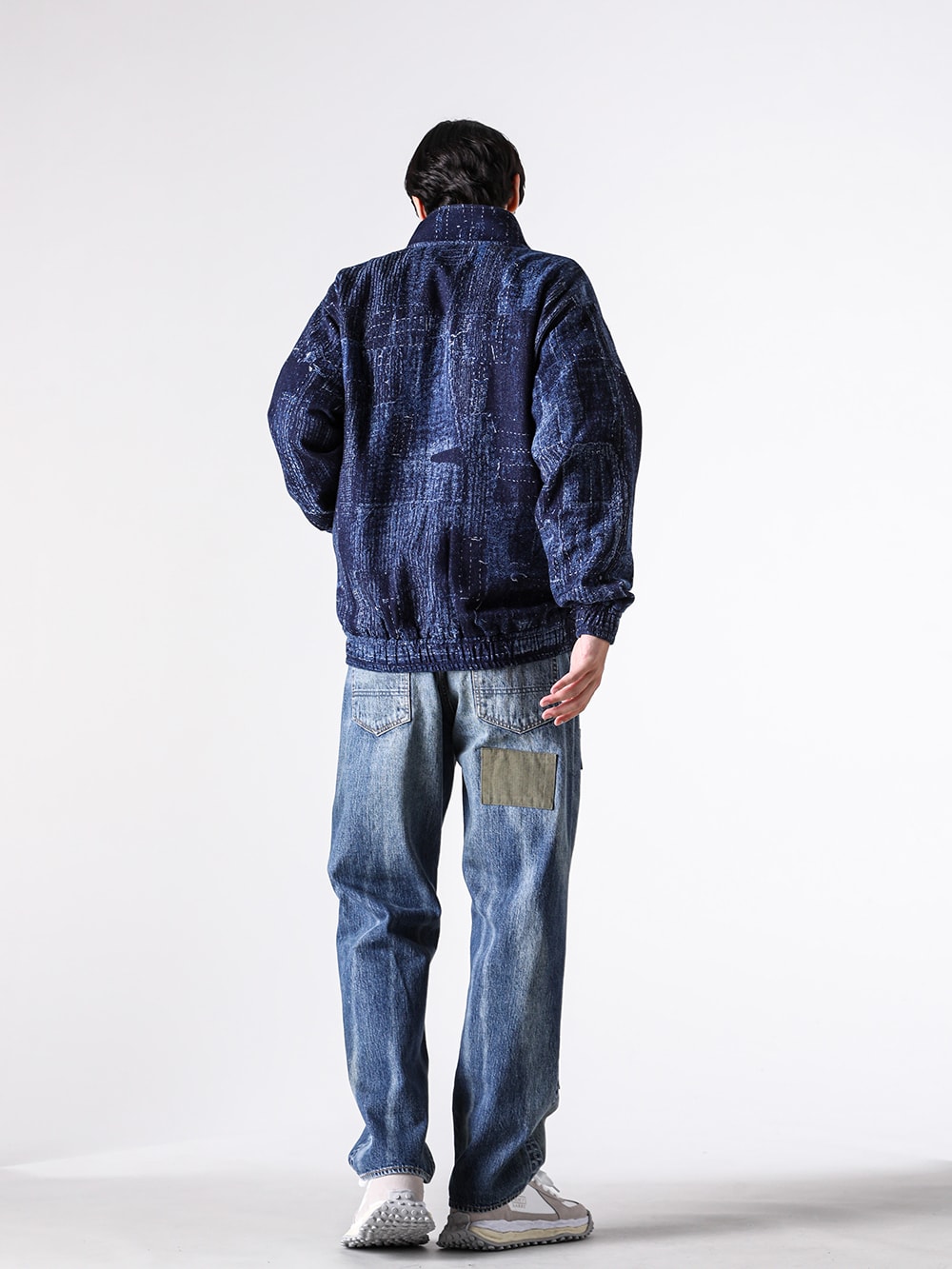
For the deep navy one-wash model, pair it with a crisp shirt for a clean look.
This is a standard outfit that brings out the neat lines of the straight silhouette, definitely something we want adults to try.
Three Standard Archives with Different Fading, Patchwork, and Distress Processing

From here, we introduce past archive models. Combining multiple fabrics and hues to create contrast provides rhythm to the often monotonous expression of denim, creating a one-of-a-kind garment—this is arguably the essence of FDMTL.
Design Variations (CS121 / CS123 / CS125)
(1) CS121: Orthodox Patchwork Style
 [Design]
A powerful pair with various large and small denim fabrics sewn on as patches on both the front and back.
Abundant in patch counts and types, each possessing a different fade and texture.
Some patches also feature Sashiko-like stitching, imparting the warmth of handcraft.
[Material]
Using Okayama Selvedge denim as the base, varying thicknesses and fades for each part allow diverse expressions to coexist.
It features many areas where fading is advanced overall, giving it a strong vintage-like vibe.
[Features]
It has enough impact to make you think, "When it comes to Patchwork, it's FDMTL."
Perfect for those who prefer individualistic or art-inspired fashion.
(2) CS123: Highlighting Full-Surface Distress Repair
 [Design]
Intense distress processing is applied overall, showing numerous holes and crashes.
The distressed areas are reinforced with patches and stitching, which also serve as design accents.
The distress on the thighs is particularly noticeable, and the pockets and hems also have a strong used feel.
[Material]
Due to distress processing, some parts of the fabric have become thin and soft.
It thoroughly recreates an intentionally worn-out texture while retaining the durability unique to selvedge denim.
[Features]
A model where the strong vintage feel and high processing technology shine.
Likely to strongly appeal to those who favor rock or street styles.
(3) CS125: Perfect Harmony of Patchwork and Distress
 [Design]
Though Patchwork isn't as extensive as the CS121, large, striking patches are placed at key points.
Distress processing is also incorporated, producing a more artistic atmosphere.
The large patch on the thigh is characteristic, adding nuances like white paint splatters in parts.
[Material]
Using selvedge denim, there are differences in fading depending on the part.
Compared to CS121 and CS123, the contrast of indigo shades remains, making contrasts more apparent.
[Features]
A pair with just the right amount of personality, perfectly balancing Patchwork and distress.
You can enjoy both workwear-like ruggedness and modern art-like design.
You can enjoy different styling tastes for each model—such as pushing a strong street vibe with the heavily patched CS121, leaning into rock or grunge with the distress-heavy pants, or aiming for a middle ground between casual and elegant with the balanced CS125.
Staff Wearing Size Guide
For reference on FDMTL sizing, we introduce wearing data from staff with different body types.
| Staff / Wearing Size | Sizing Feel |
|---|---|
| Staff A (170cm / 60kg) wearing Size W30L30 (Equivalent to S) |
The waist is a perfect fit. The length leaves just a little break, producing a clean straight line. |
| Staff B (175cm / 65kg) wearing Size W32L30 (Equivalent to M) |
A perfect balance with Size 2. There's a moderate amount of room around the thighs, allowing for wear without any tightness. |
| Staff C (180cm / 72kg) wearing Size W32L32 (Equivalent to L) |
An overall perfect fit. If you want to wear them a bit lower on the hips for a rougher look, intentionally choosing one size up is also an option. |
Revisiting the Appeal of the FDMTL Classic Straight
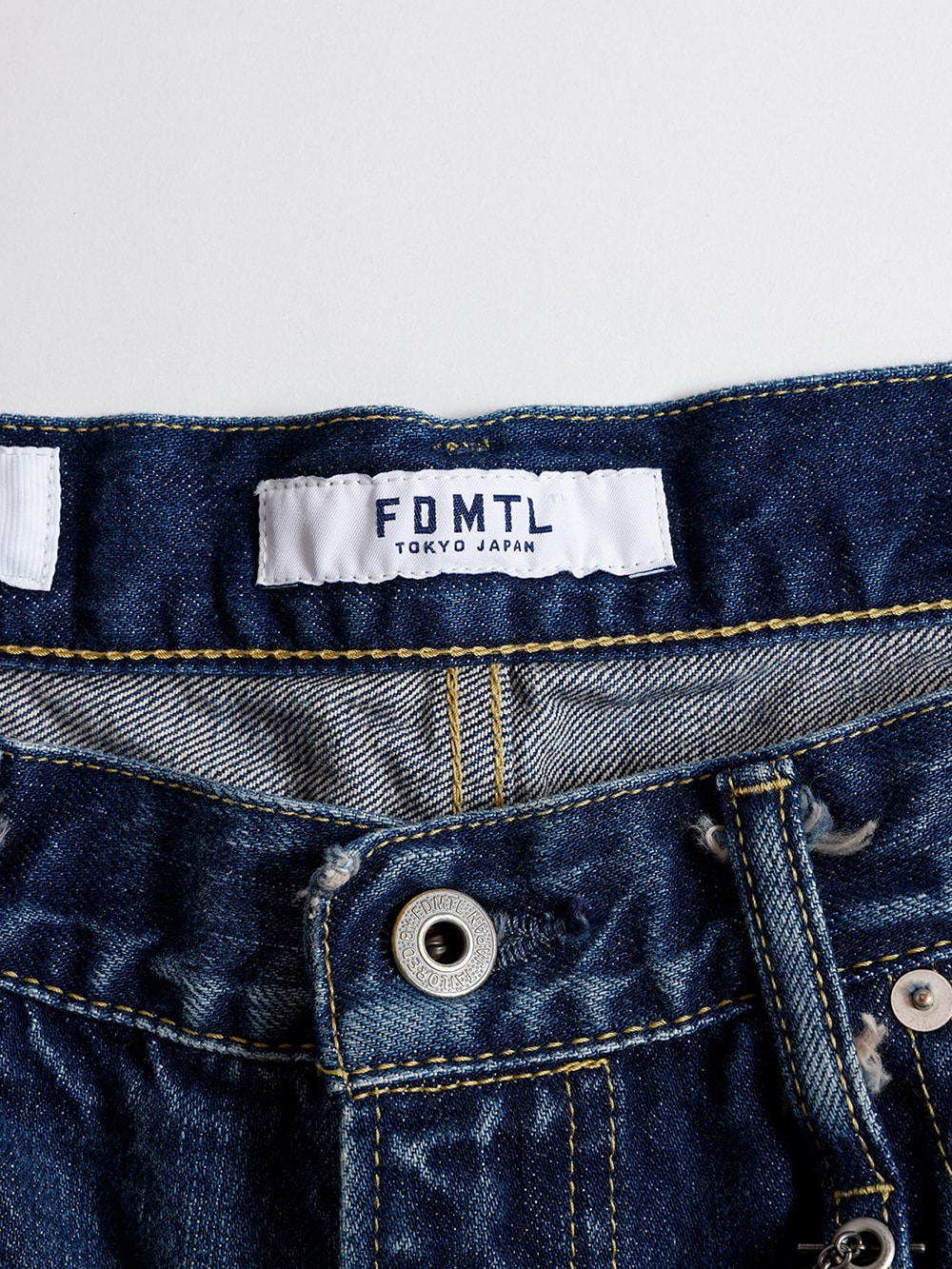
Finally, let's summarize the key points of the items introduced this time.
- A design that structurally incorporates Japanese traditions like Sashiko and Boro to ensure long-term love and use
- Designed to enjoy the aging process through wear and washing, using globally standard, high-quality denim fabric
- An authentic straight silhouette unaffected by trends, compatible with various footwear
- The three-dimensional feel of aging processes and repair stitches created by artisan handcraft
The Joy of Raising Over Time
Even with Patchwork and distress processing, the real thrill of FDMTL denim is that the texture increases even further with continued wear from this point on. The substantial room to evolve it into your very own pair, depending on how the threads twist and creases form, is likely why it captivates so many fans.
Each model is a masterpiece packed with craftsmanship and unique design, practically guaranteeing you will become captivated once you wear them.
Within a single pair of pants lies Japanese technology and deep history.
Please enjoy the process of them altering their expressions even further, matching your own lifestyle.
Click here for the products introduced today
We sincerely look forward to your visit at FASCINATE_THE R and FASCINATE KYOTO.