Introduction: Why mastermind, and Why Now
At our Osaka Shinsaibashi store and Kyoto Kawaramachi store, starting with the Spring/Summer 2026 season (2026SS),
we will begin officially carrying “mastermind JAPAN”
and “MASTERMIND WORLD”.
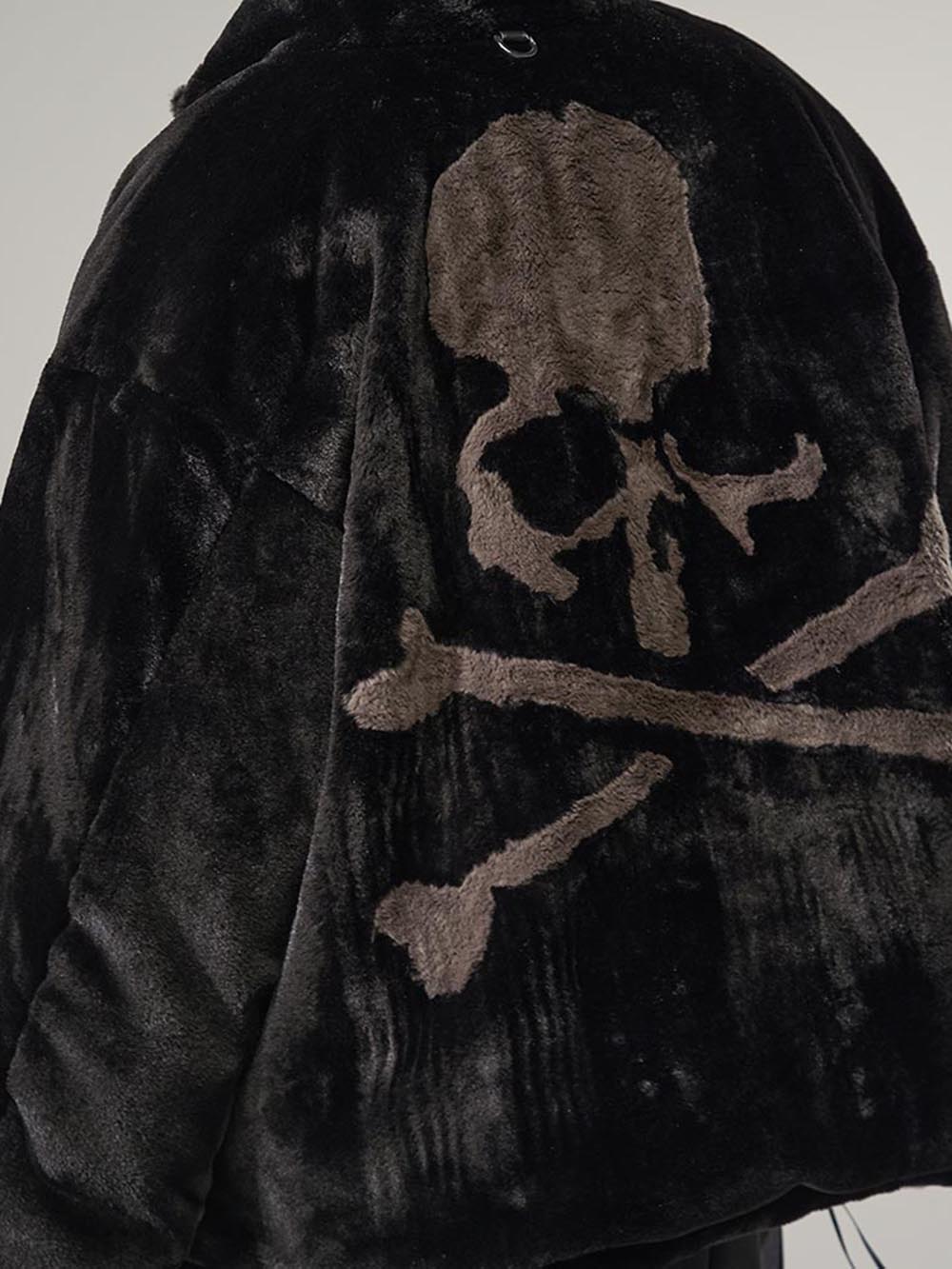
mastermind JAPAN was launched in 1997 by Masaaki Honma, and has continued to translate Japan’s materials, traditional craftsmanship, and cutting-edge technology into real clothes, with MADE IN JAPAN at its core.
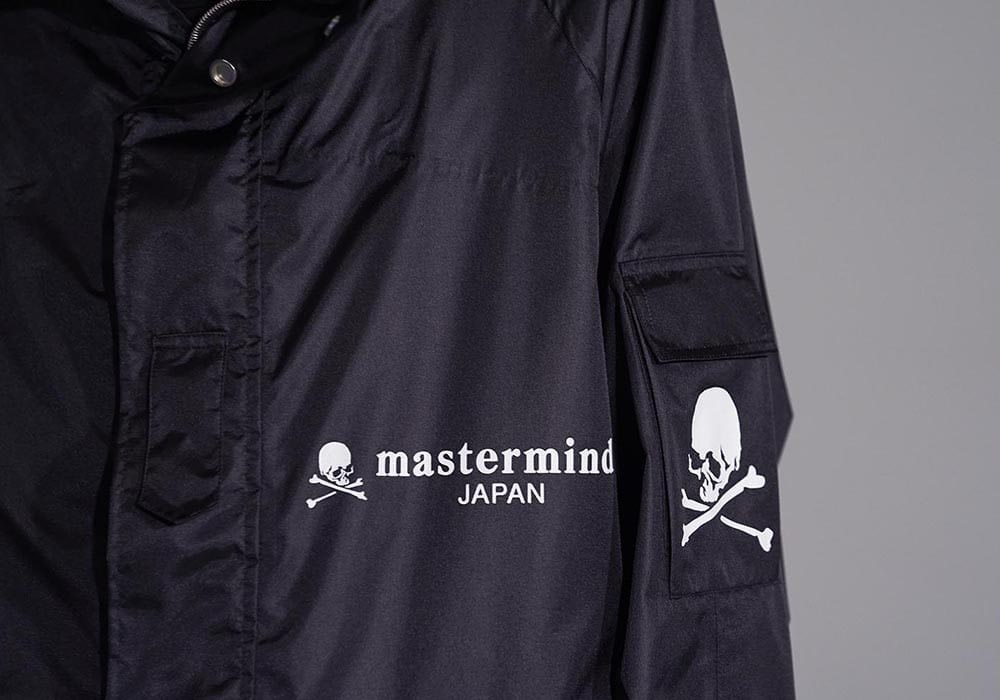
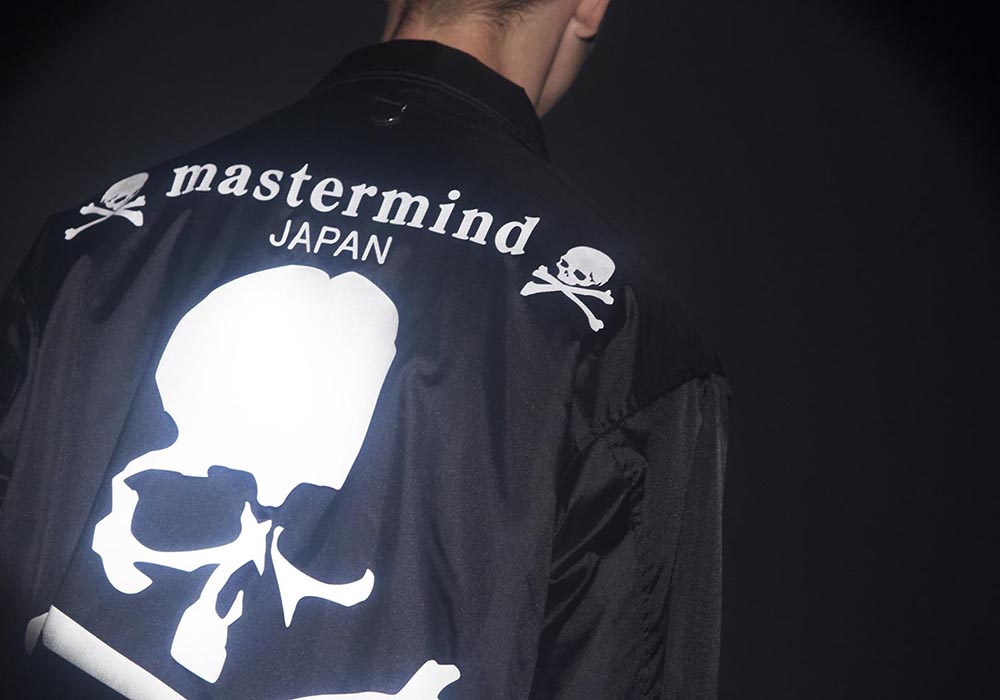
The iconic skull & crossbones, too, feels less like a mere “logo” and more like a mark that embodies an obsession with construction and texture.
Why has it been supported for so long?
The answer can’t be reduced to visuals or name value. Rather, after experiencing a period when things didn’t sell, Honma pushed beyond profitability and common sense, committing himself to making pieces on a level that simply couldn’t be compared.
In fact, there is also a turning point often told as part of the brand’s story: after an overseas trade show, an order came in from a buyer at the famed Los Angeles boutique Maxfield—and everything changed at once.
In this first installment, ahead of the 2026SS lineup, we’ll unravel the brand’s essential “appeal” together with the “history” it has walked through.
See the Latest mastermind Arrivals Here
1. A Dead End That Led to “Going All In” on Quality (1997–2000)
Contrary to its glamorous image, the history of mastermind JAPAN began at “rock bottom.” For roughly three years after its founding in 1997, the brand did not sell at all.
At the time, the Ura-Harajuku boom was at its peak. While lines formed elsewhere, buyers didn’t stop by Honma’s showroom, and inventory continued to pile up day after day.
“When should I close the brand?” Under intense mental pressure, Honma made a decision.
“If I’m going to quit anyway, then before I do, I’ll ignore costs and make the absolute best thing I truly want to make.”
This was the moment the core of mastermind JAPAN’s appeal was born: a pursuit of quality that disregards profitability. He abandoned making clothes to “sell,” and instead pursued only what he believed to be “the best.”
That “reckless resolve,” bordering on madness, became the origin of the quality that would later astonish the world.

2. A Turning Point in Paris (2001–2003)
In 2001, Honma joined a trade show in Paris as a final challenge. He has said it felt less like business and more like a “funeral” for his dream.
And that’s where a miracle happened. Tommy Perse, owner of the legendary Los Angeles select shop “Maxfield,” happened to touch a cashmere Cowichan sweater hanging on a rack—and stopped in his tracks.
“What is this made of?” Before even looking at the design, he was shocked by the overwhelming hand feel (texture). A high-priced sweater made by an unknown Japanese designer.
Yet it carried the true soul of “Made in Japan.” Tommy placed an order on the spot, and mastermind JAPAN transformed overnight into a brand coveted by celebrities around the world.
This episode also connects to why FASCINATE selects this brand today. The fact that it “moved the world with the product itself, not the name” is precisely its greatest appeal.

3. The “Philosophy” Behind the Skull
The skull—an unmistakable symbol of the brand. It is not simply an icon of delinquency or punk. This expression, perfected through more than 1,000 redraws, contains Honma’s deep philosophy.
・“Never Give Up Your Dream Until You Die”
・“Once we become bones, all humans are equal”
These messages—spoken by someone who endured the hardships of the early days—carry the power of a talisman that encourages the wearer and affirms the way they live.
It’s not about passing trends; the reason it continues to be loved by people with strong will lies in this universal message.
4. “Death” and “Rebirth” at the Peak (2013–Present)

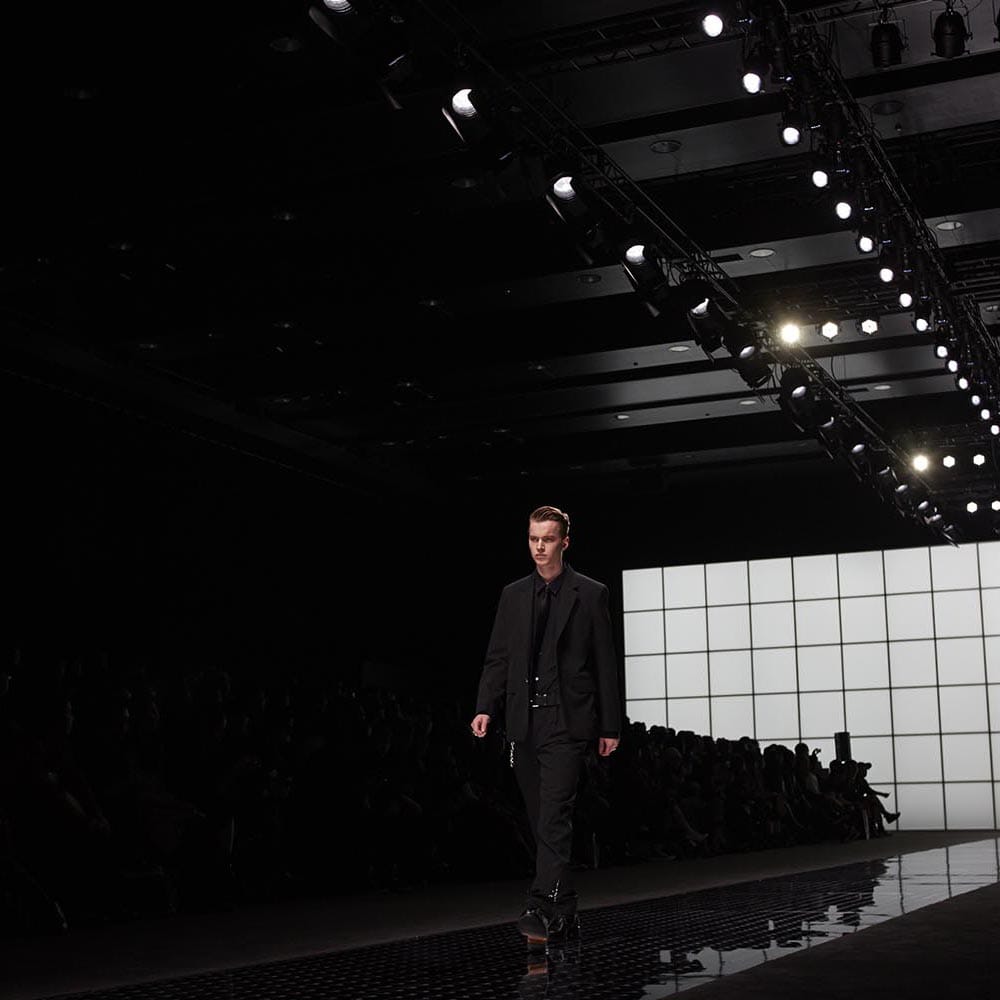
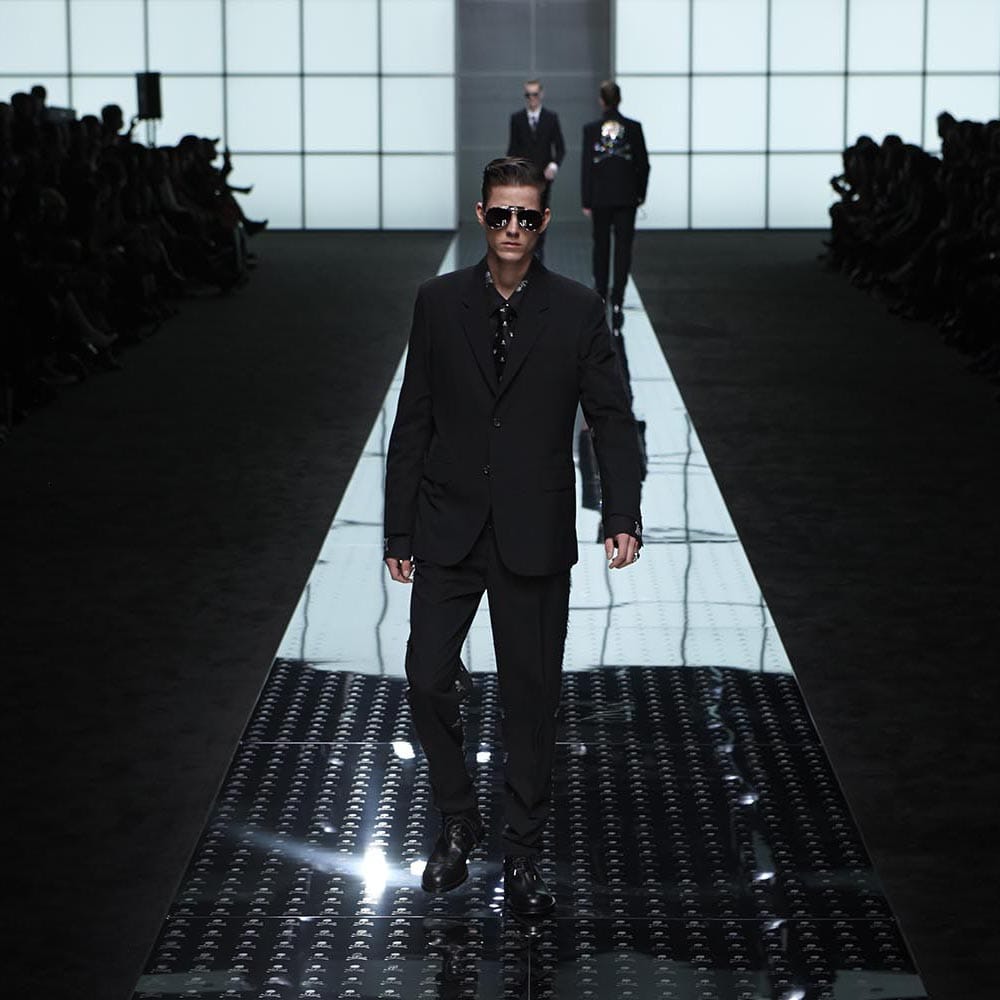
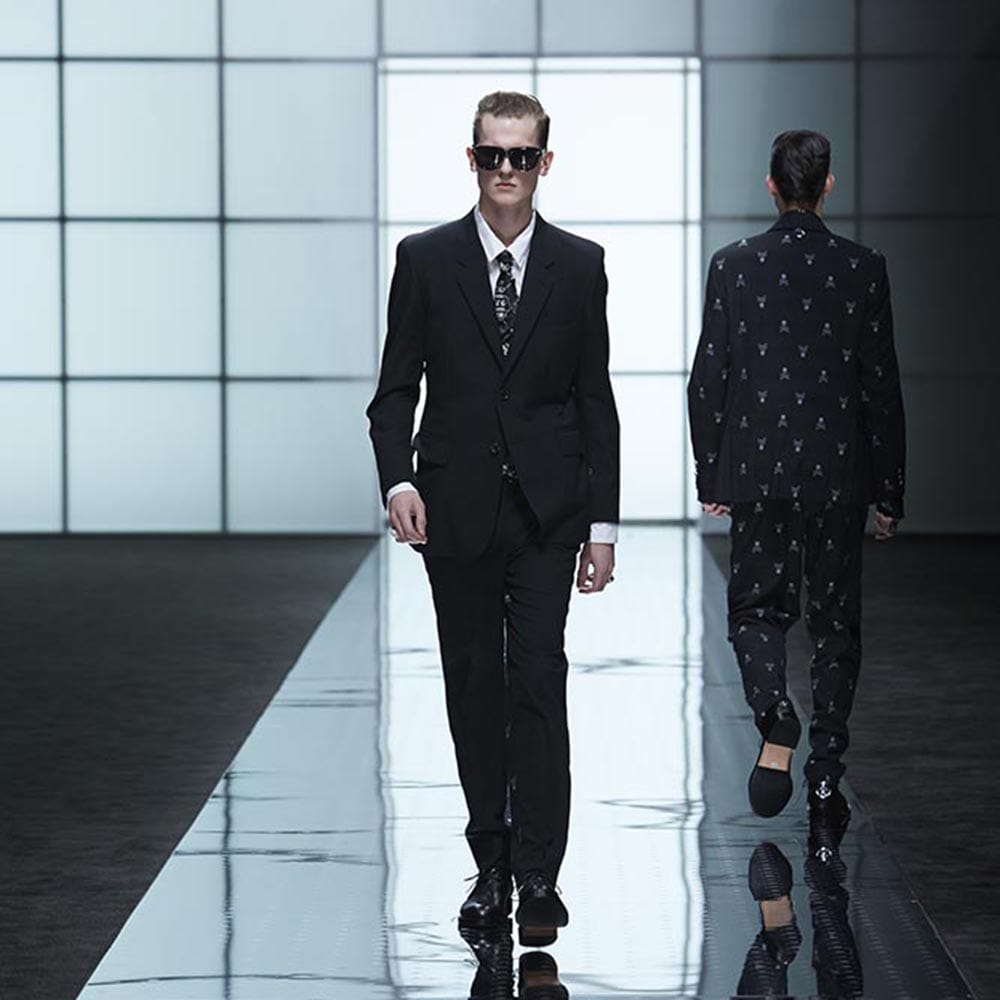
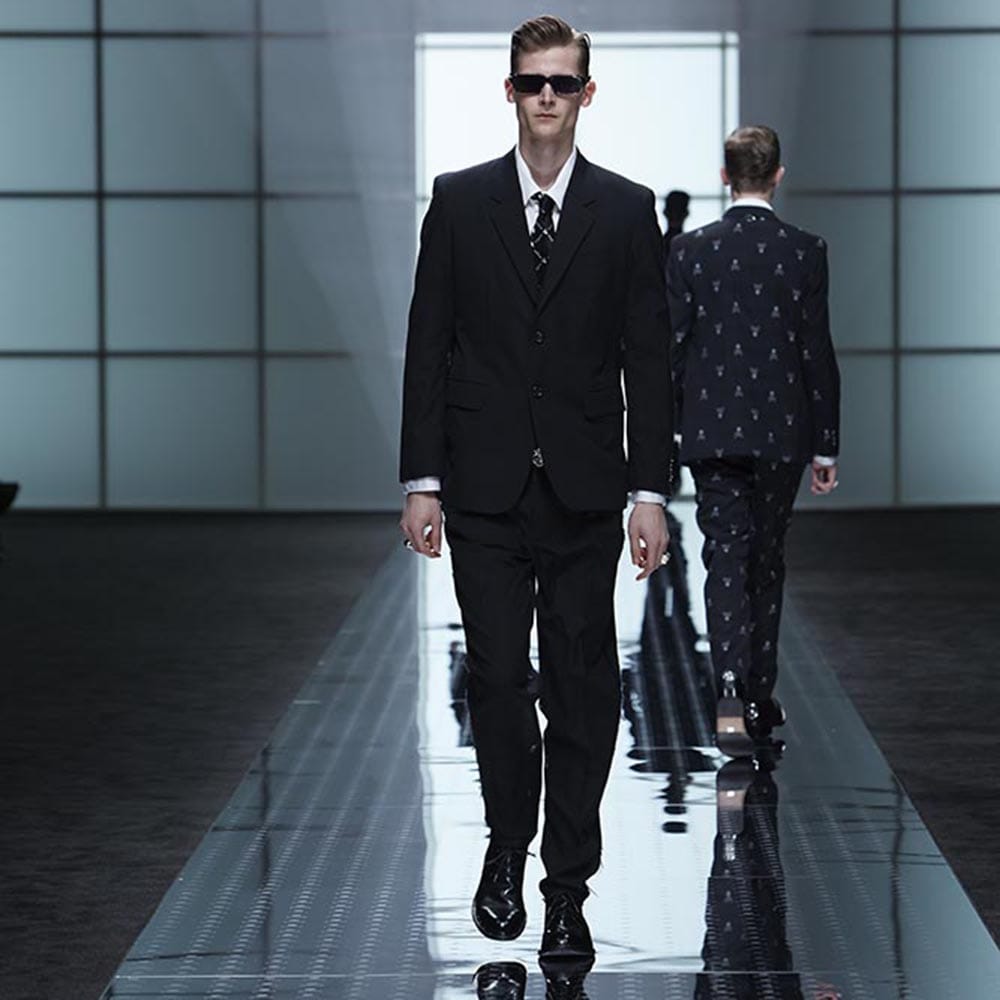
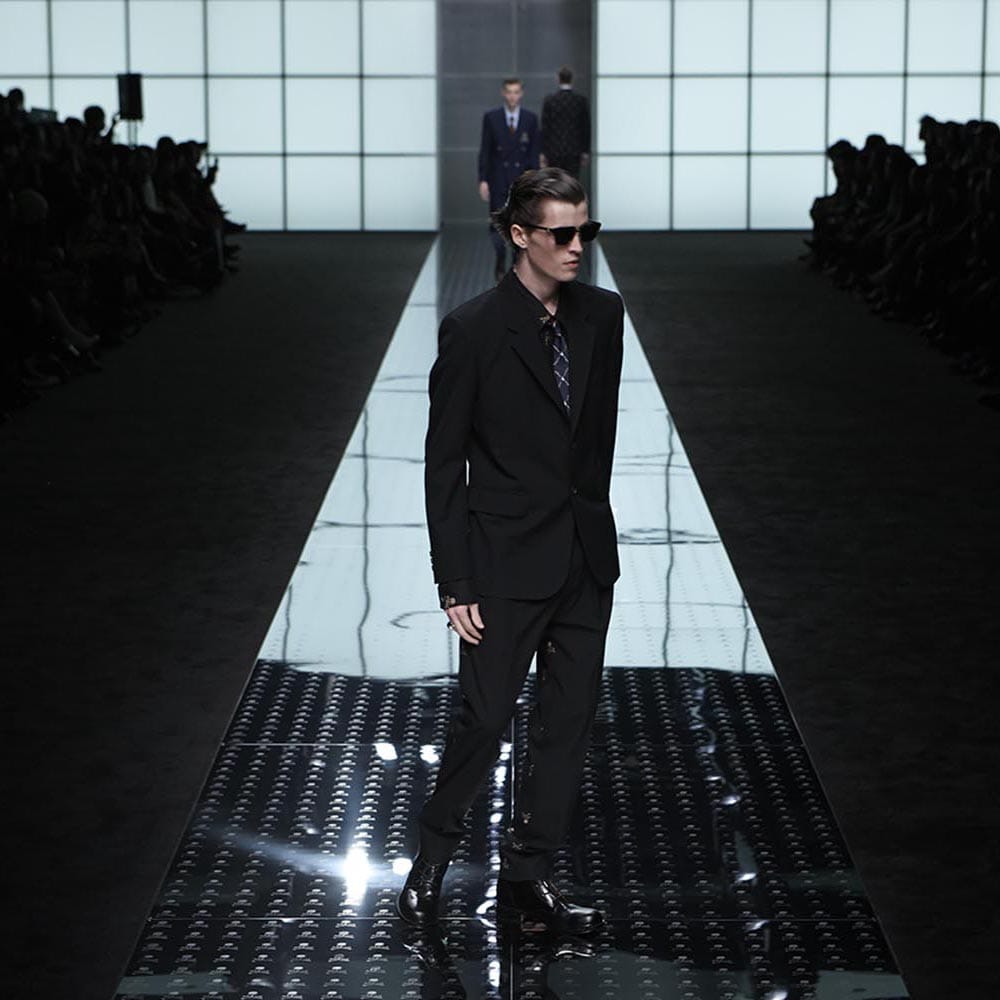
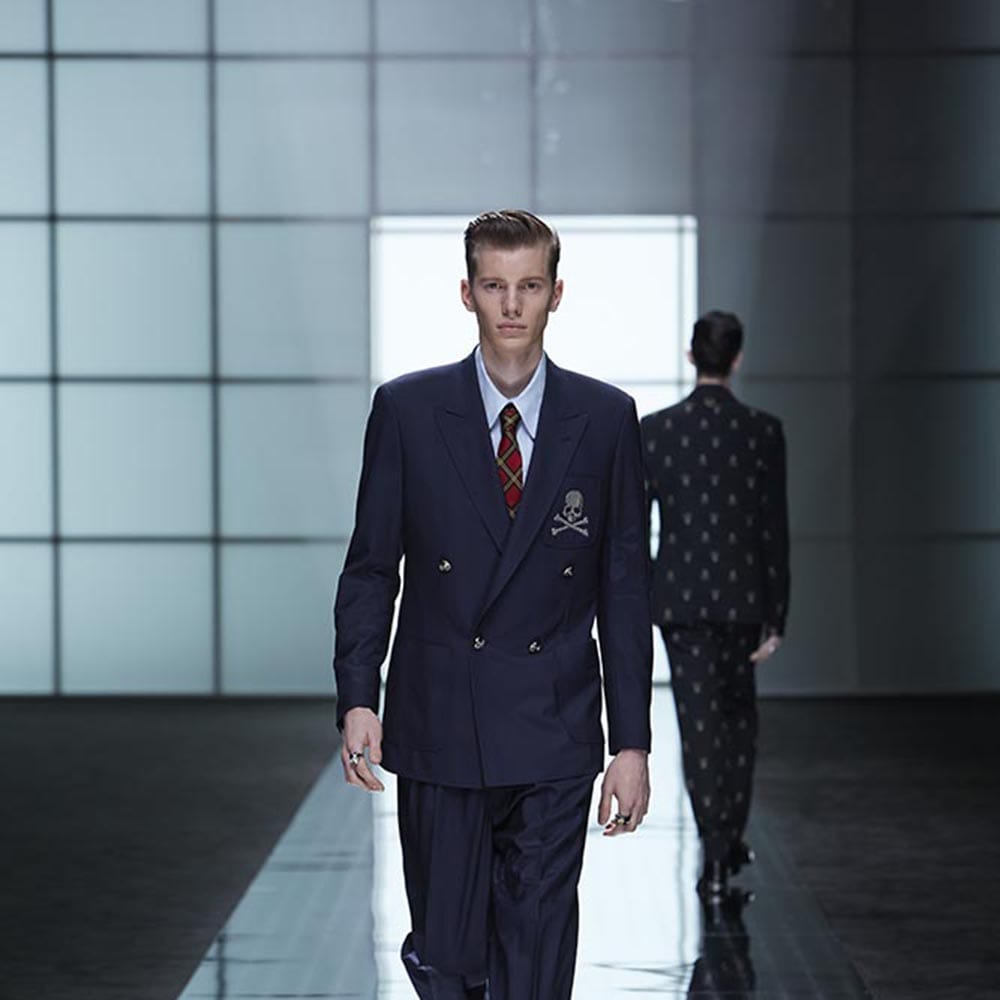
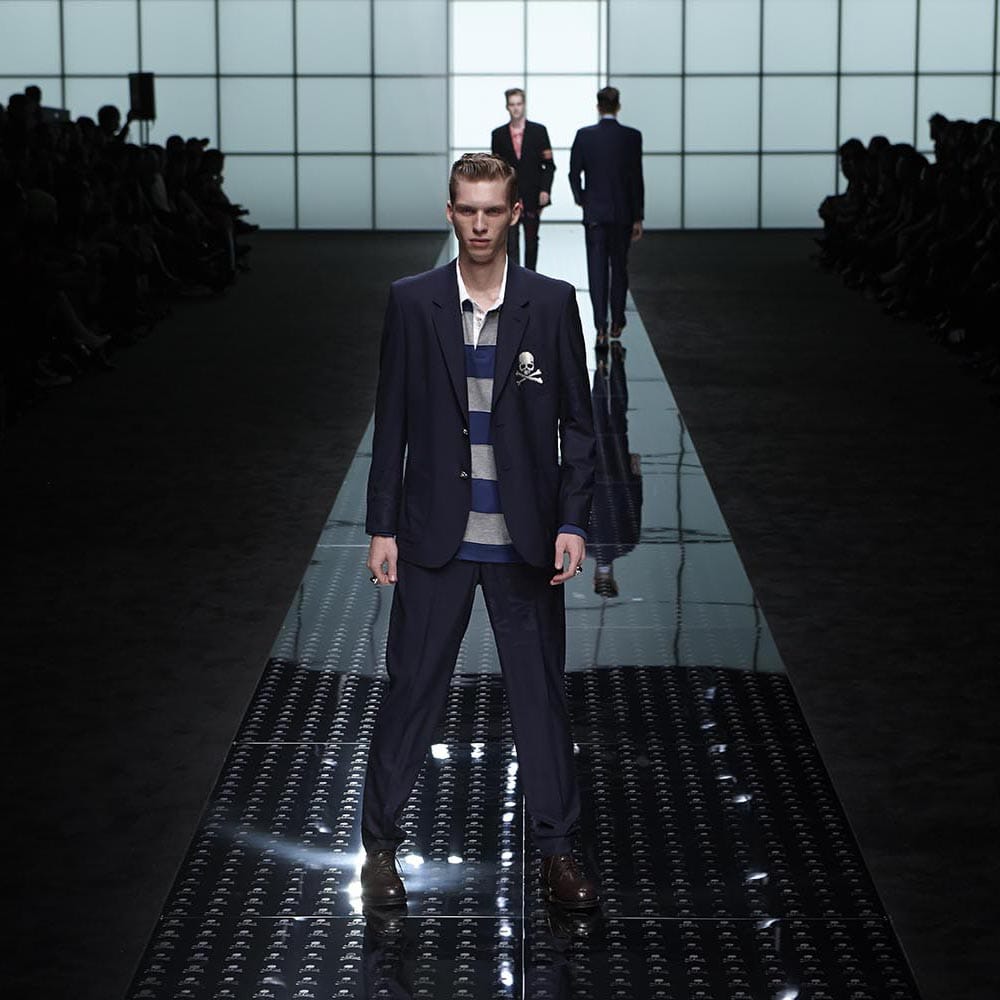
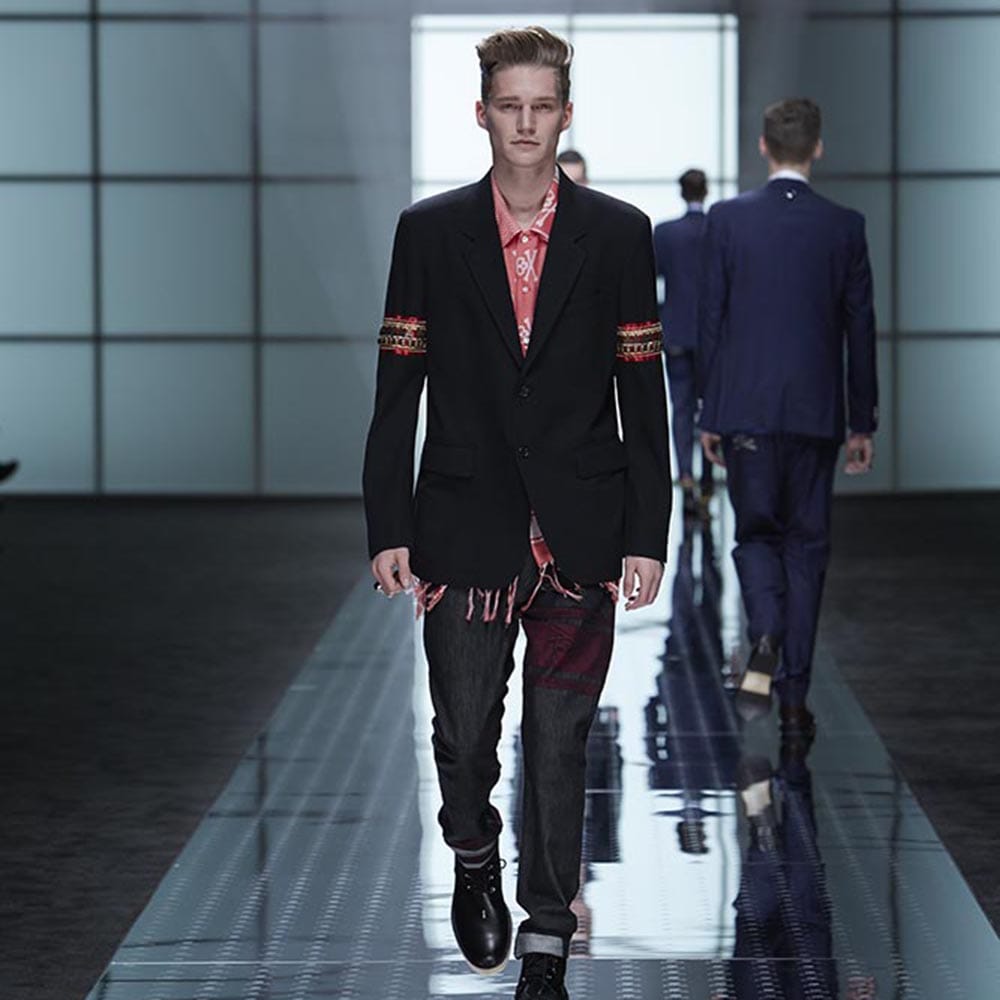
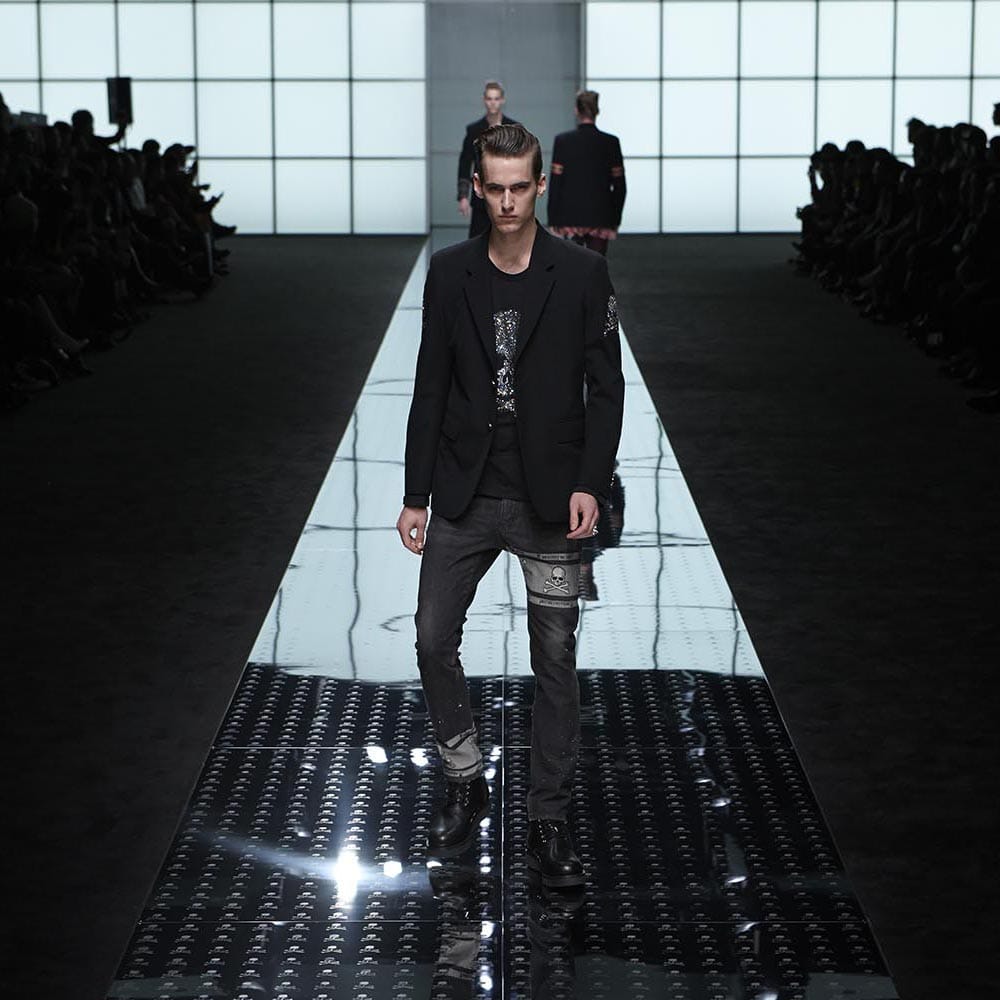
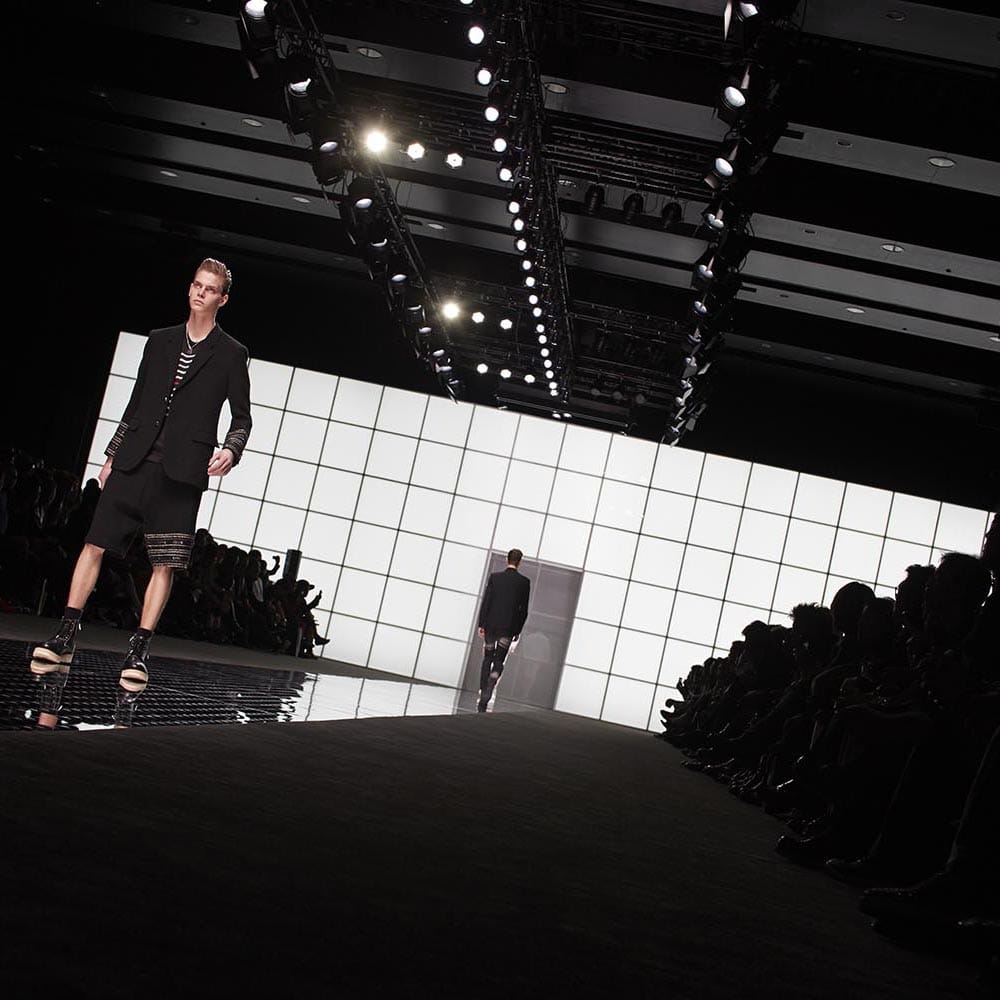
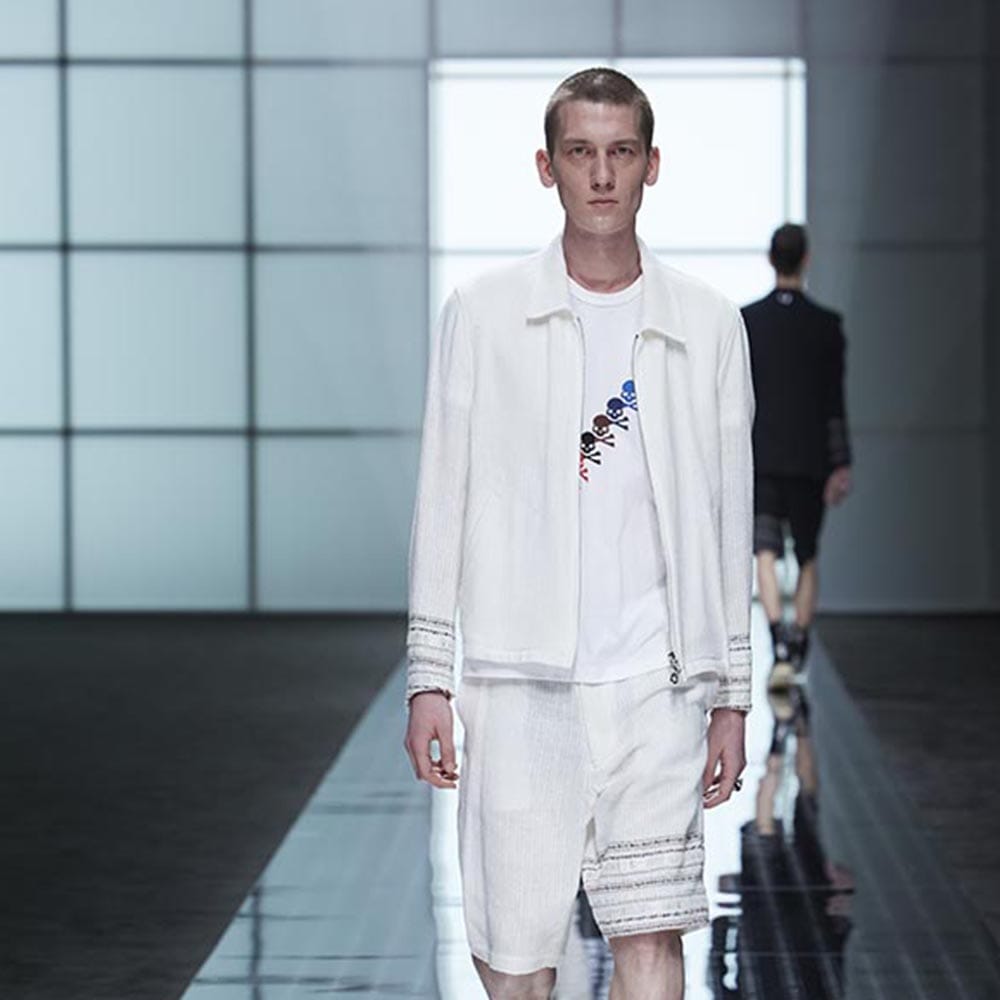
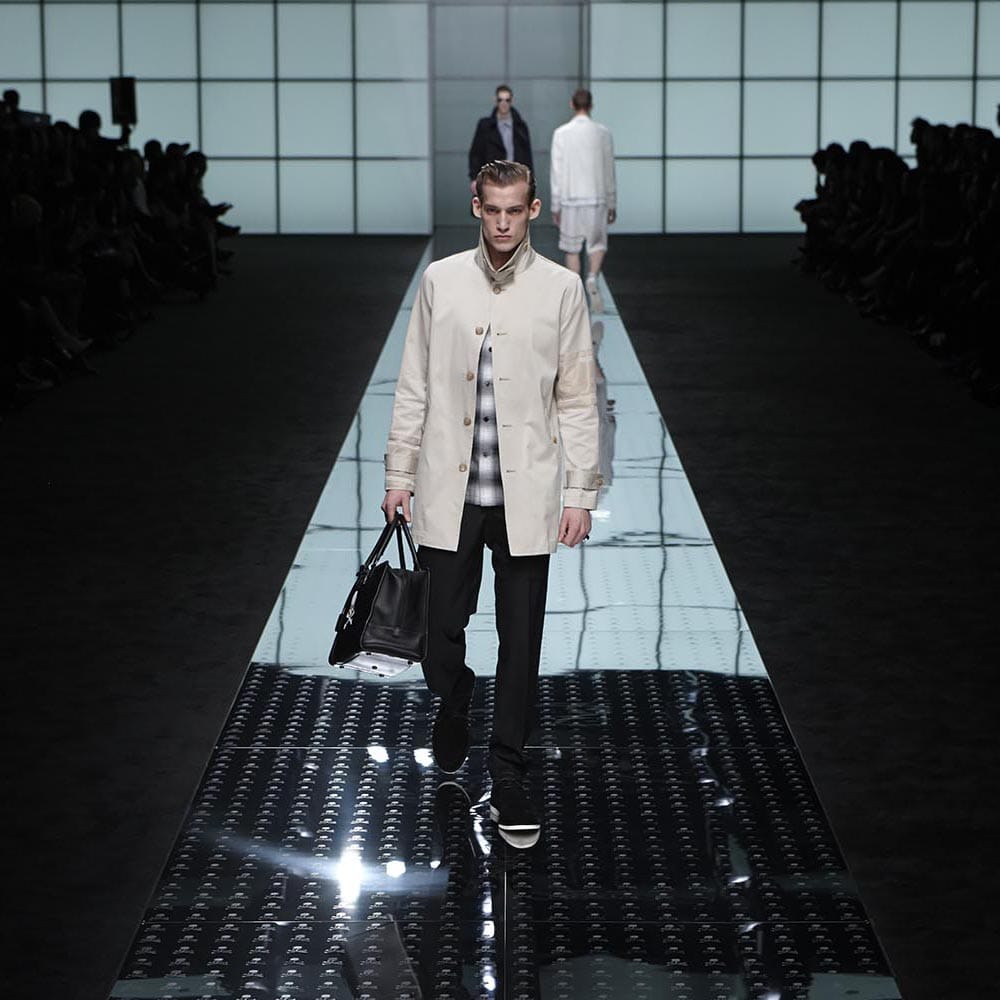
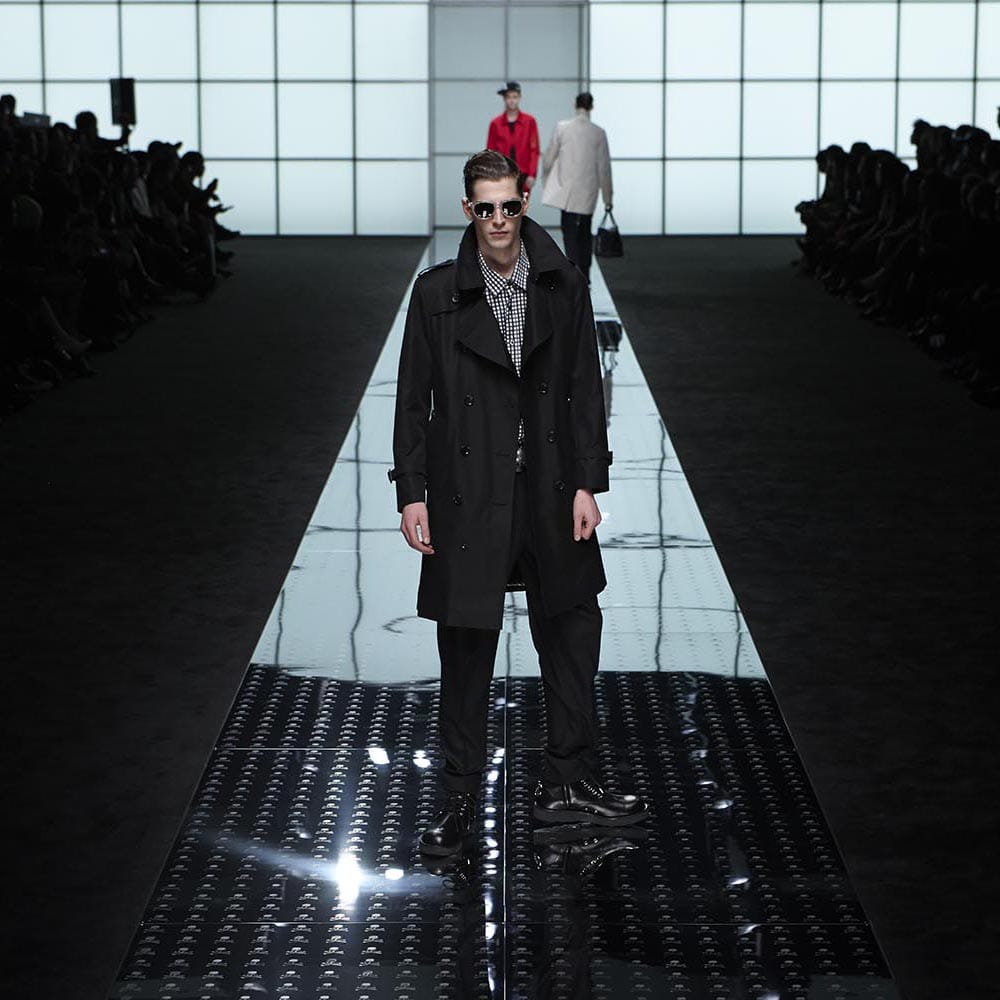
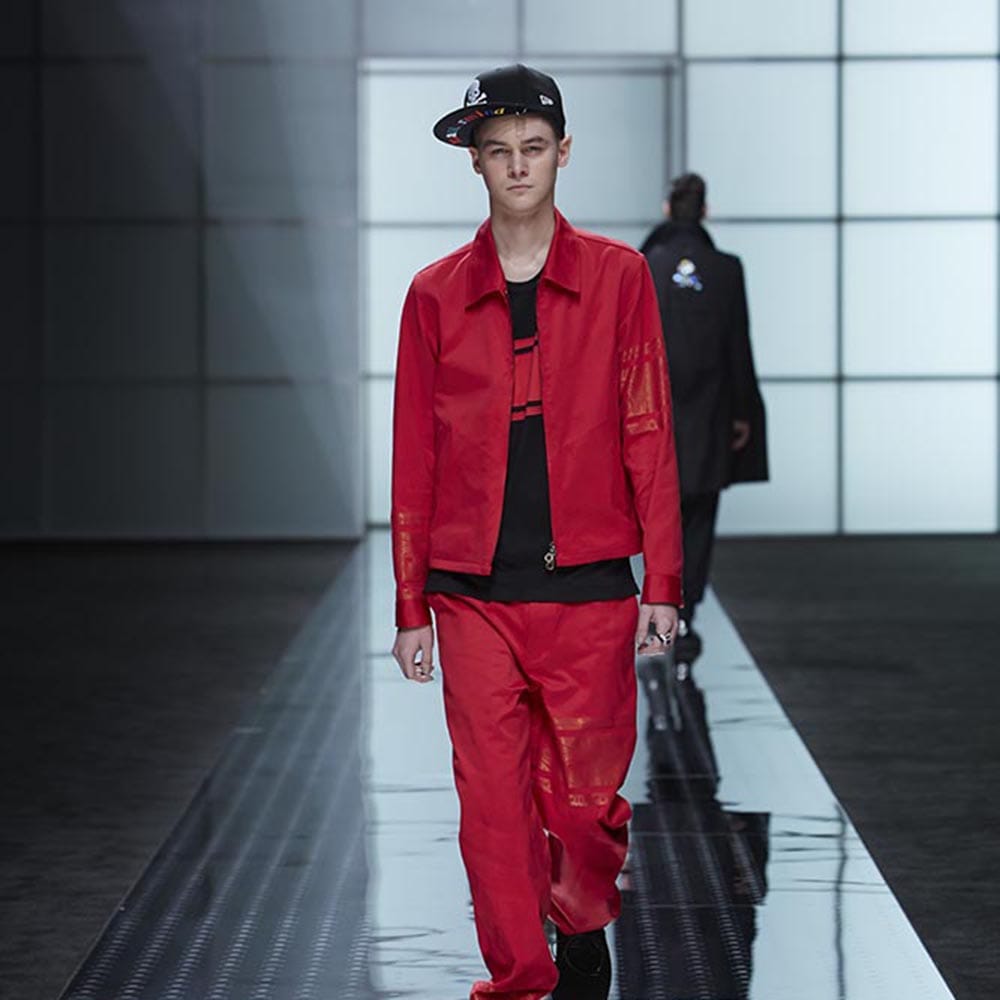
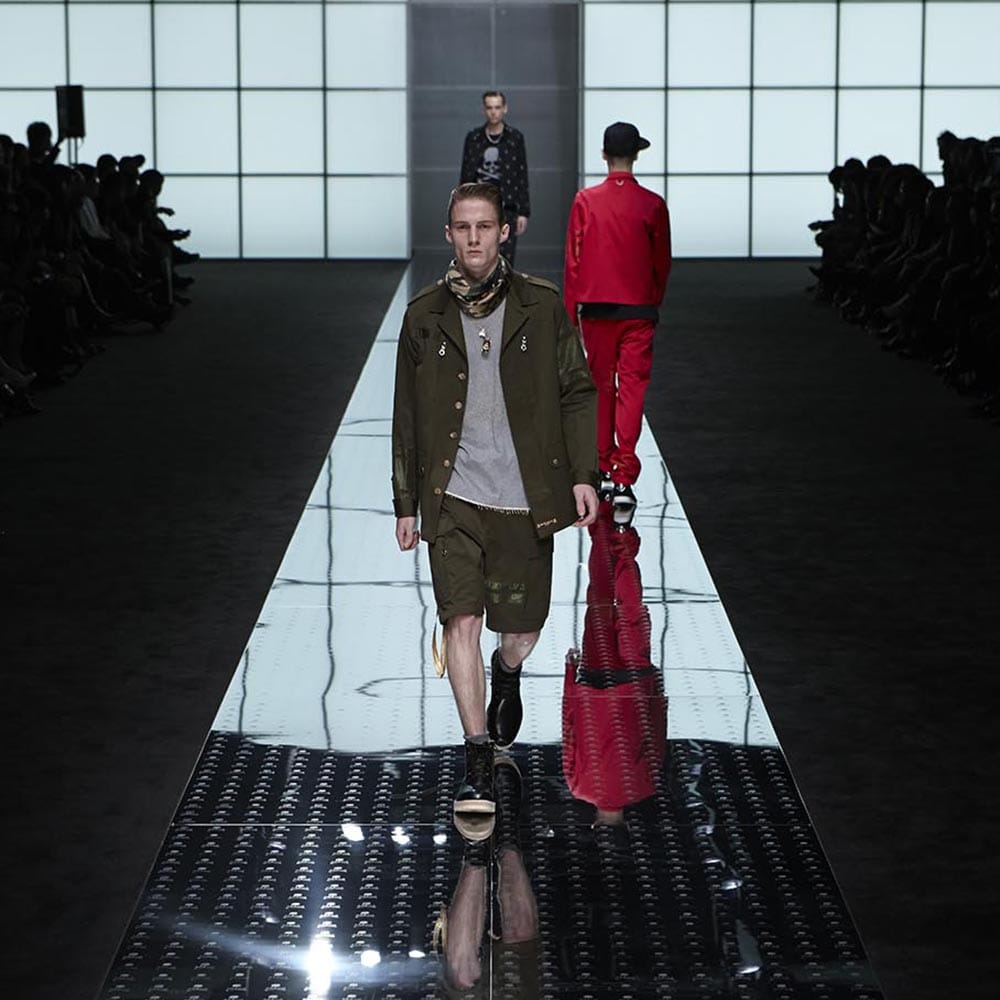

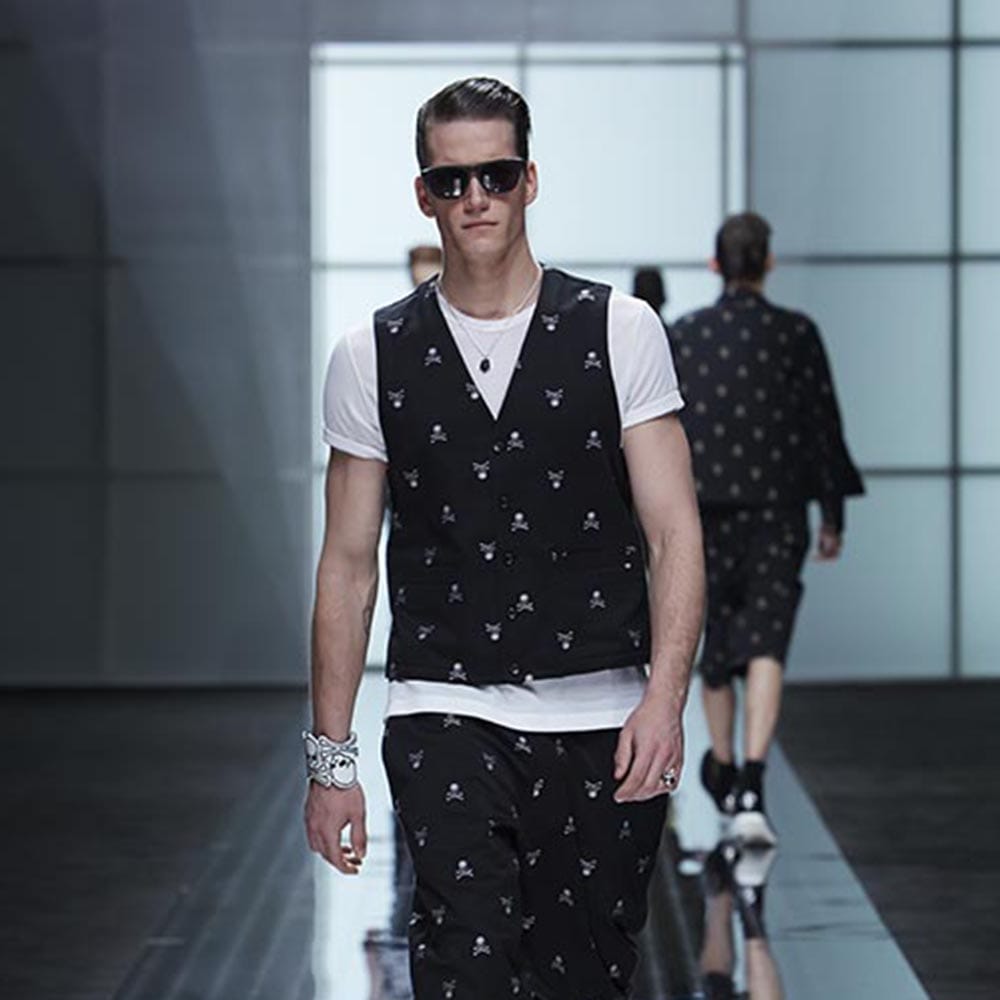
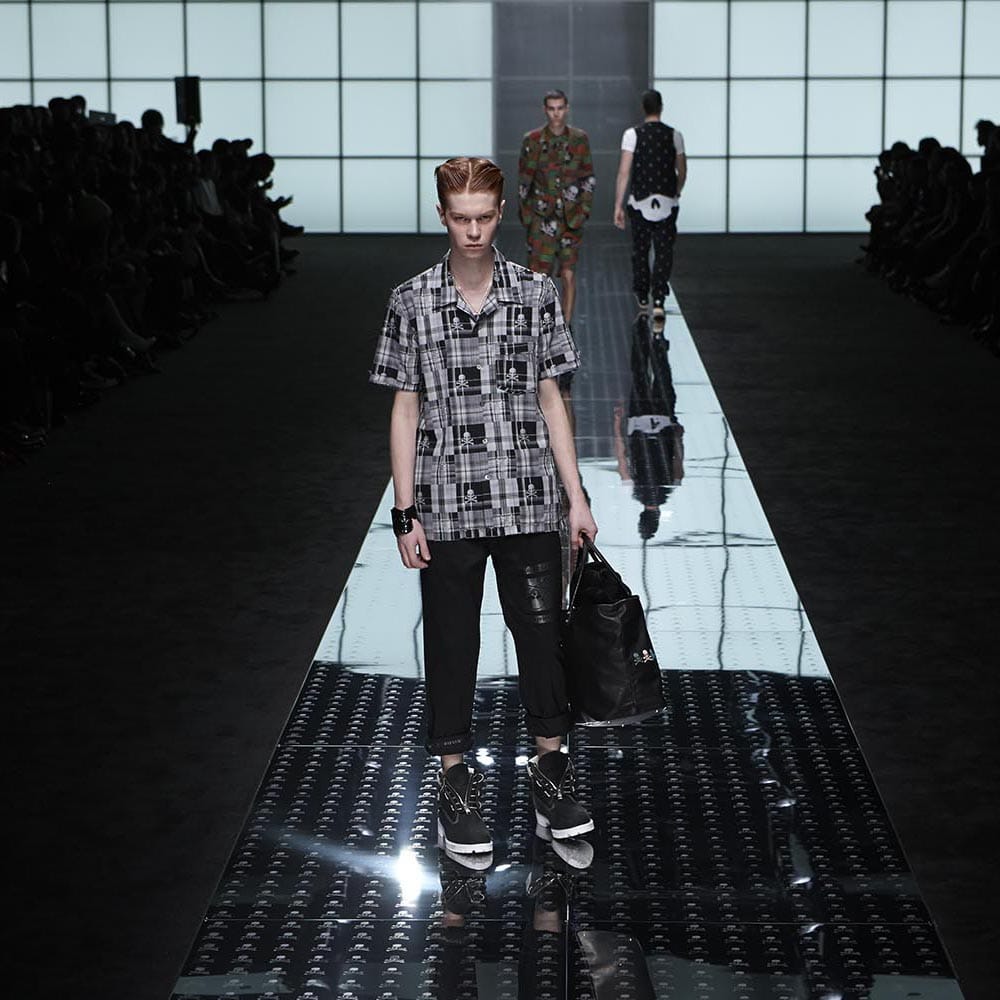
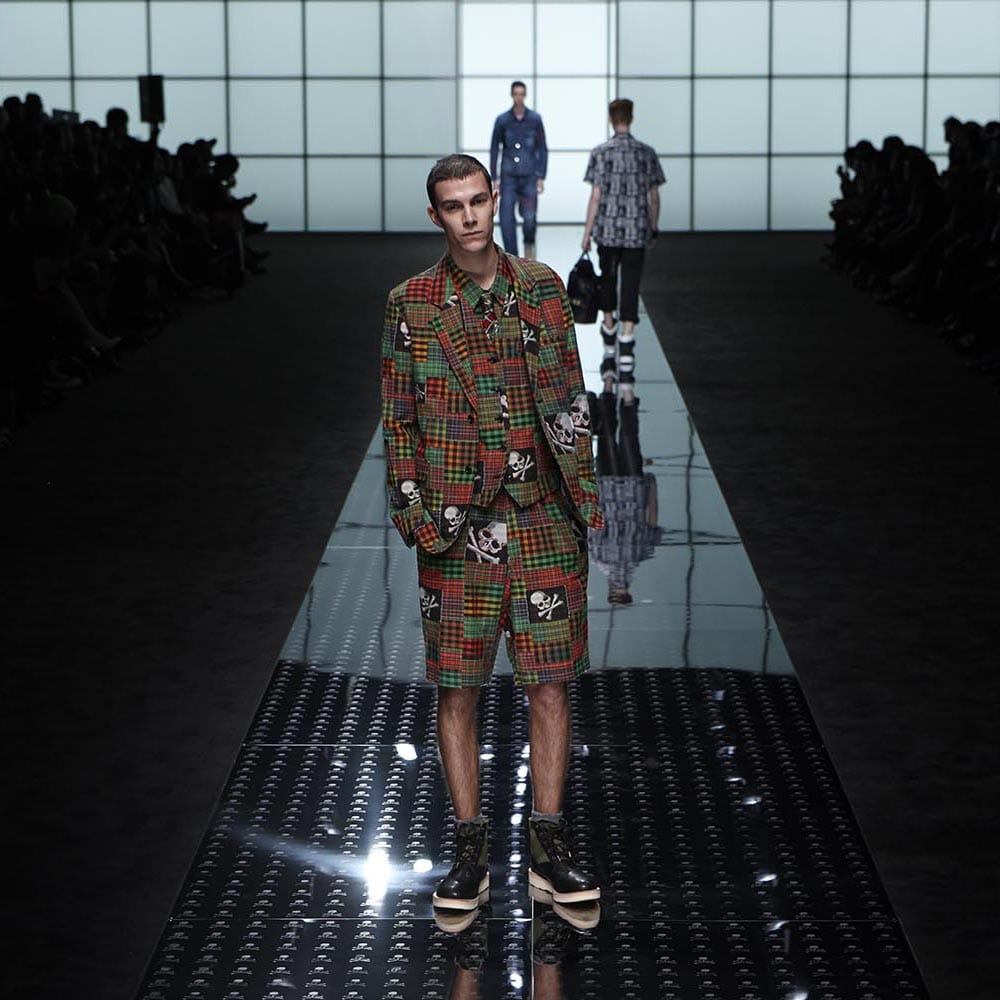
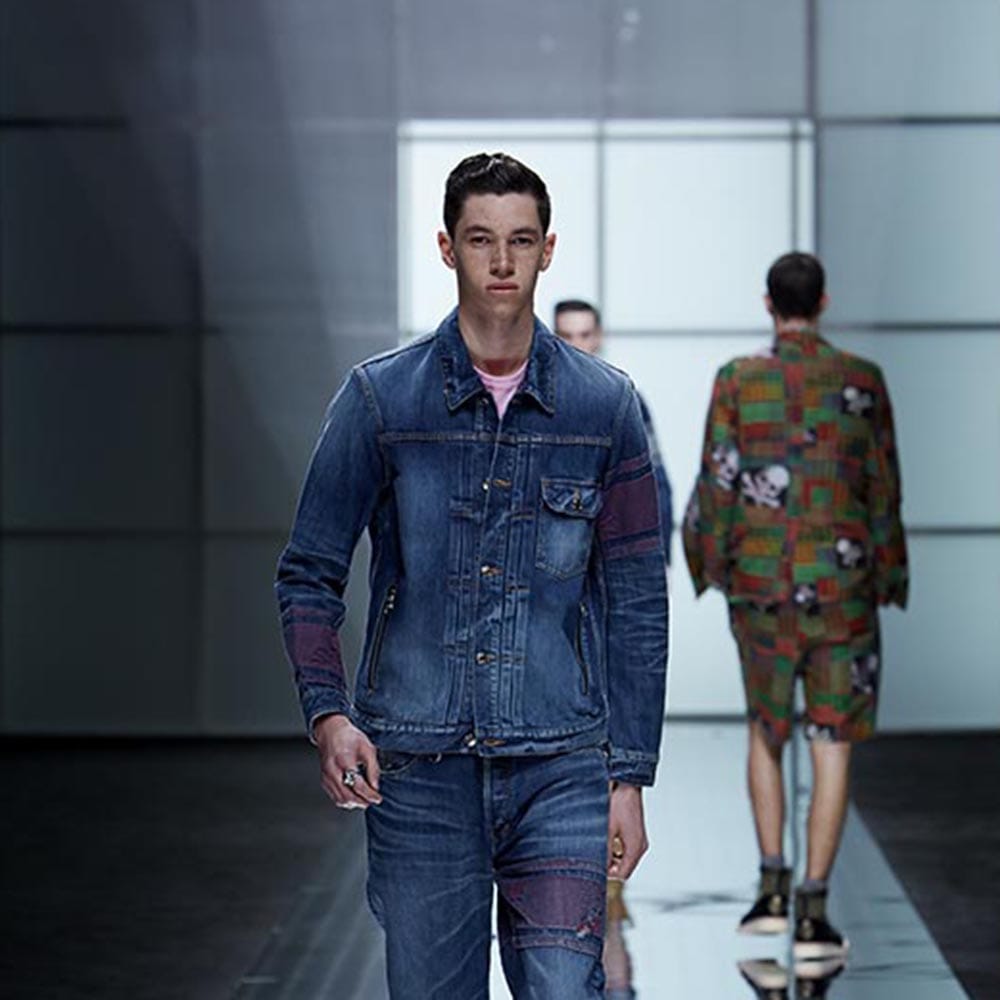
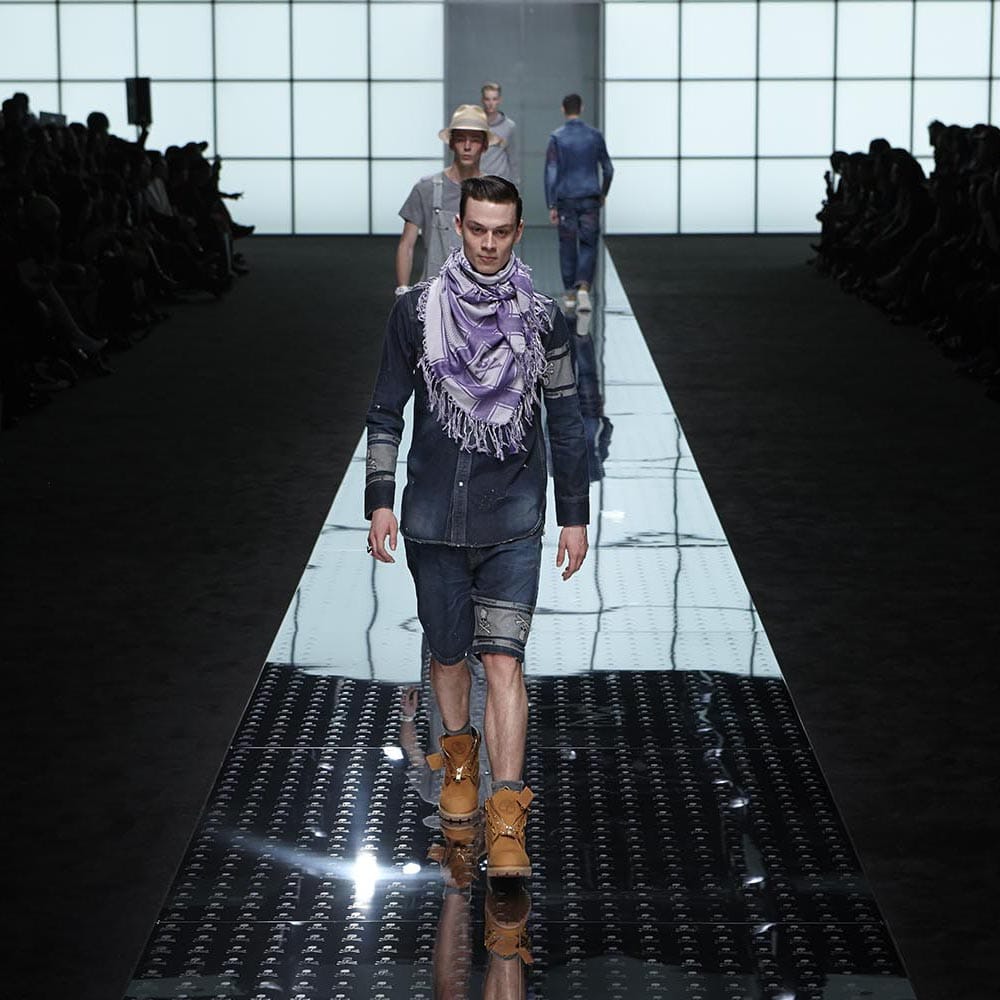
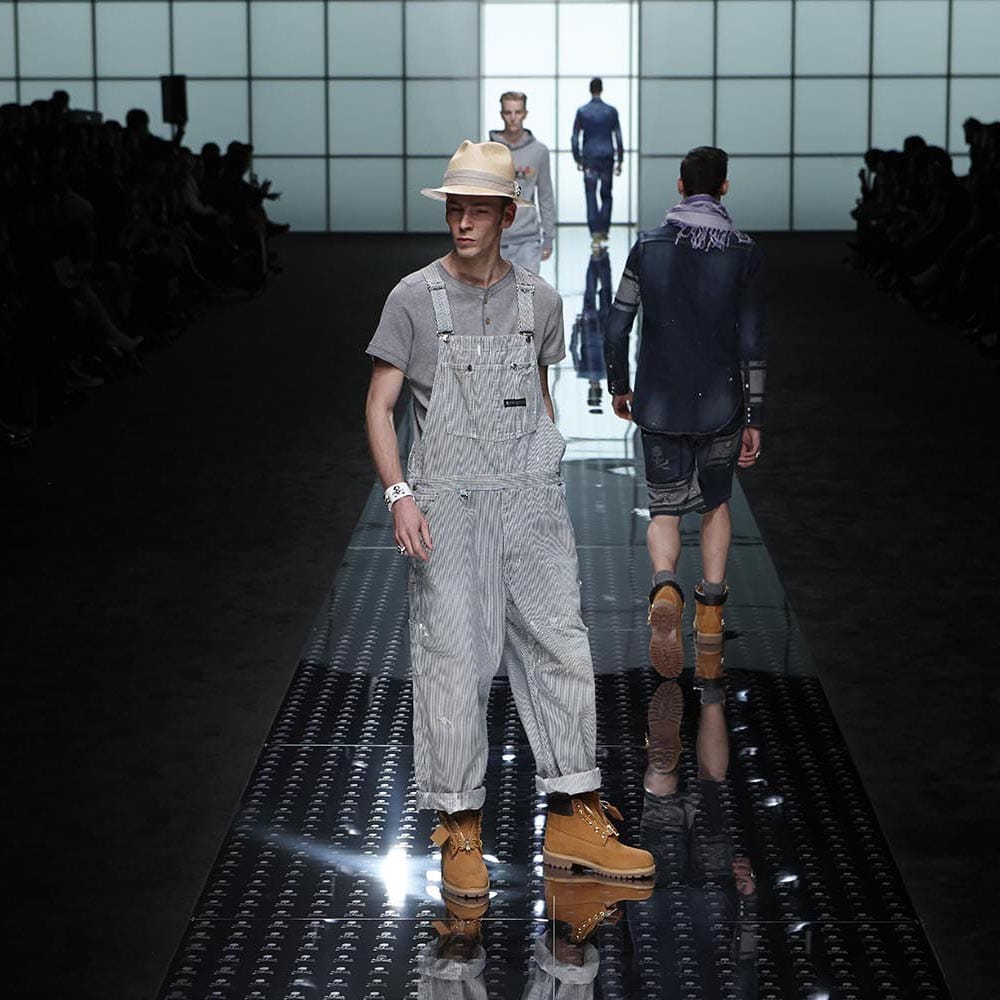


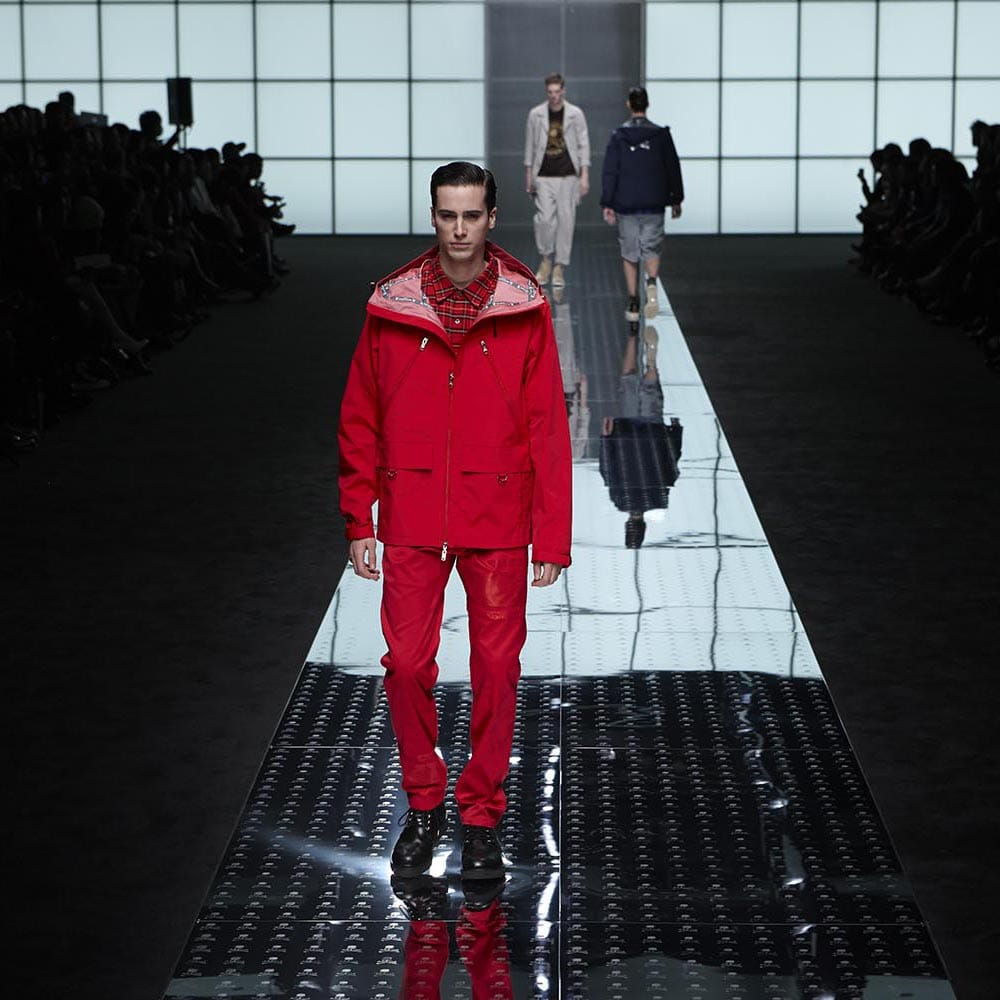
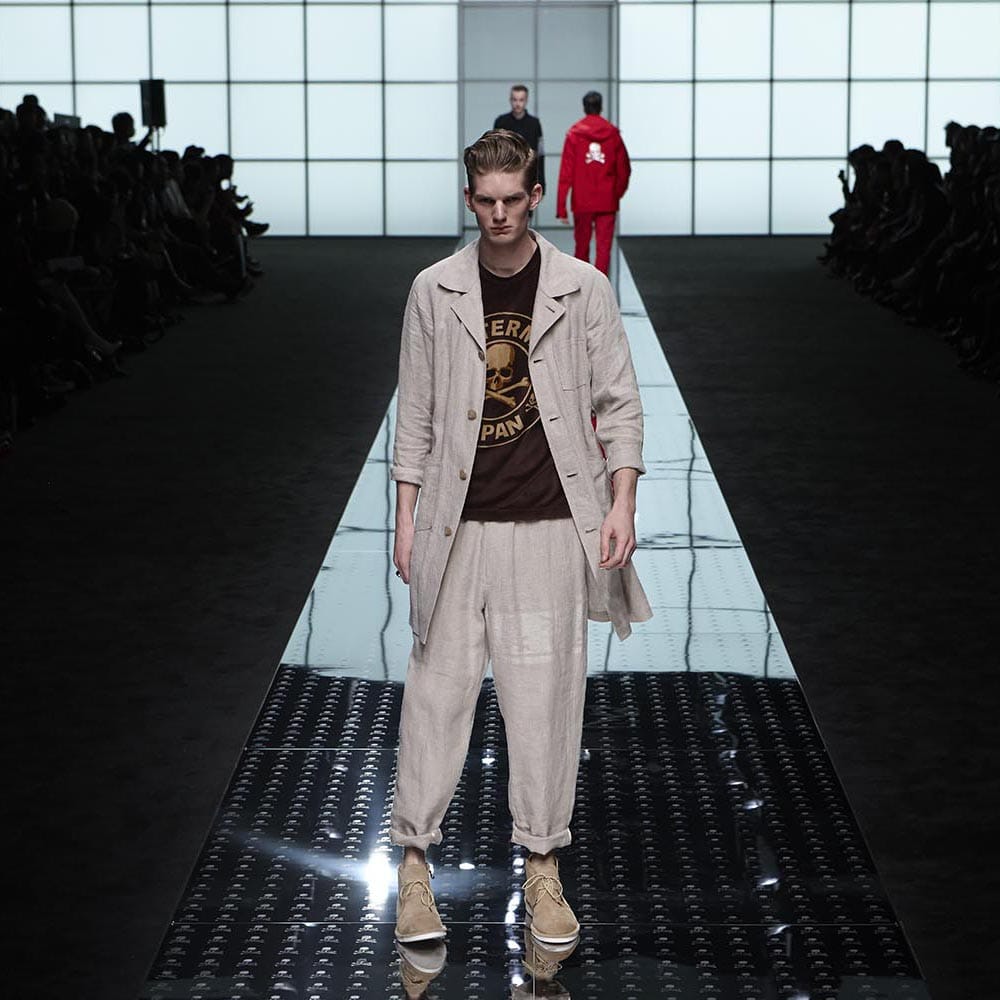
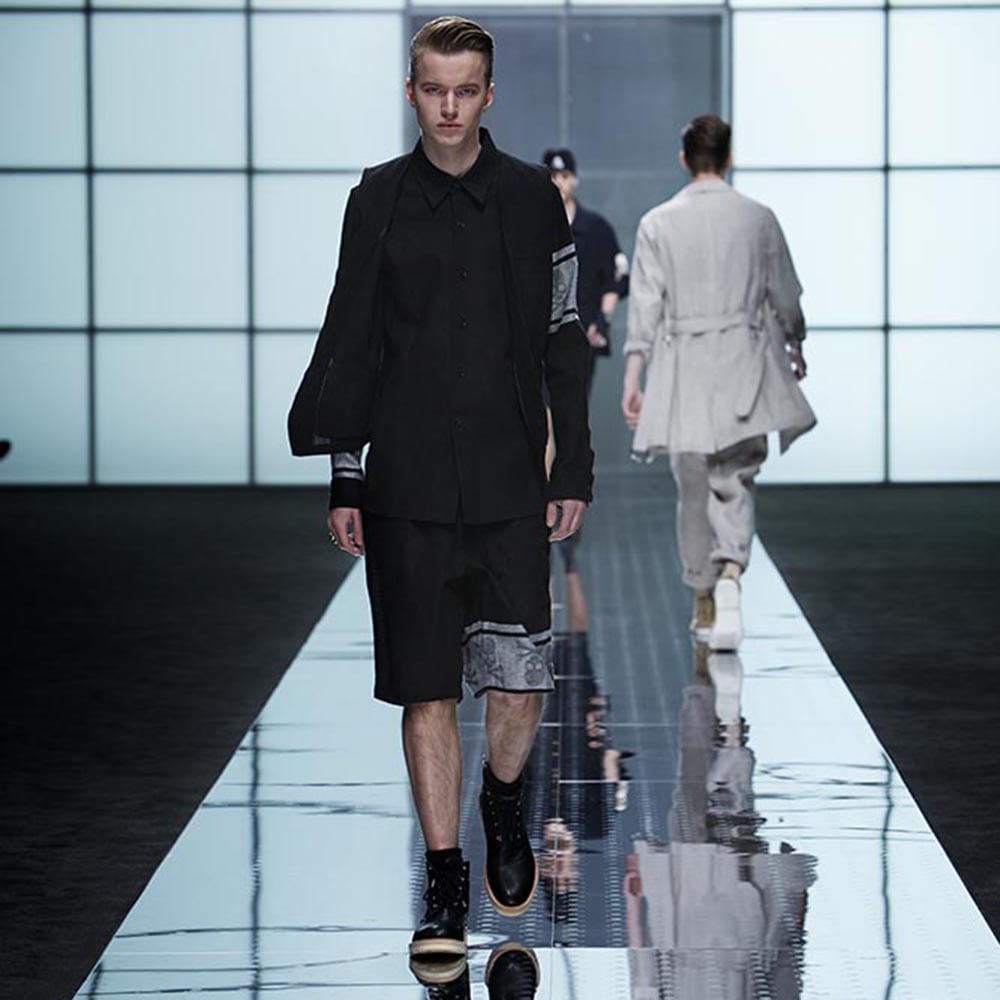
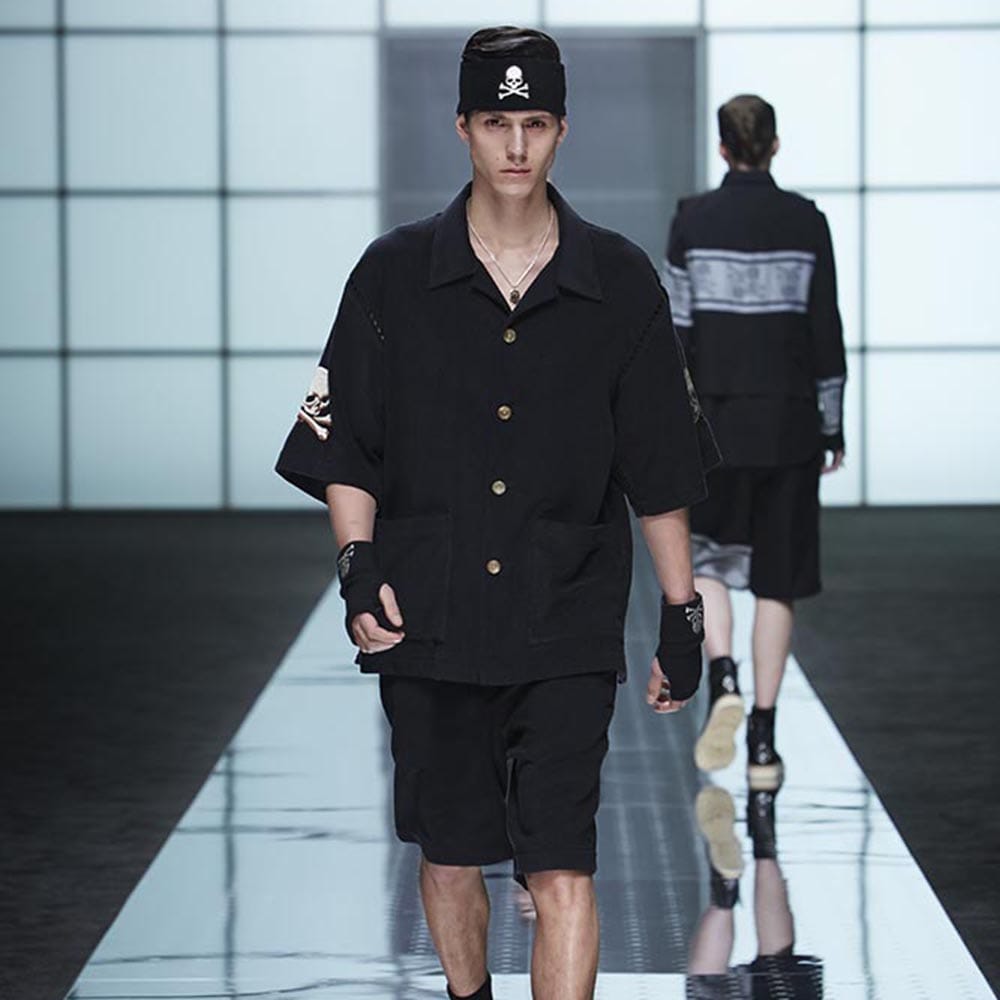
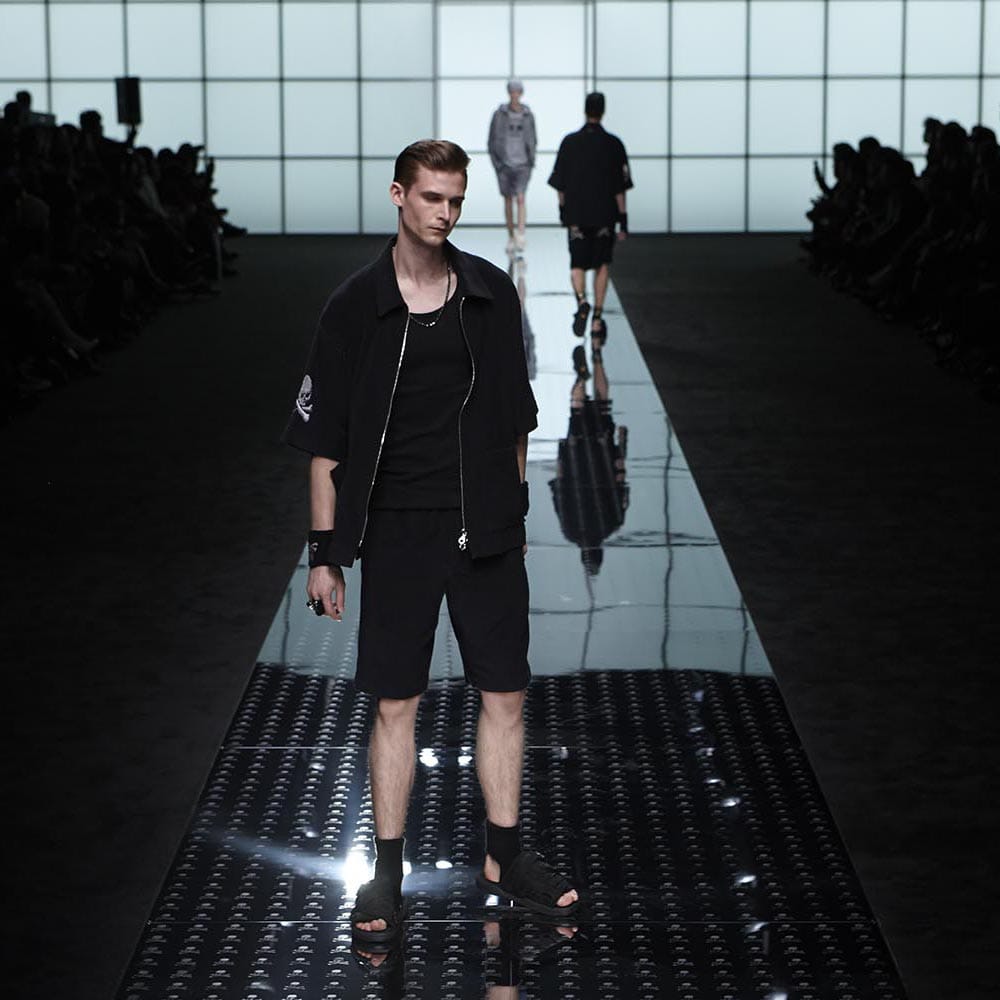
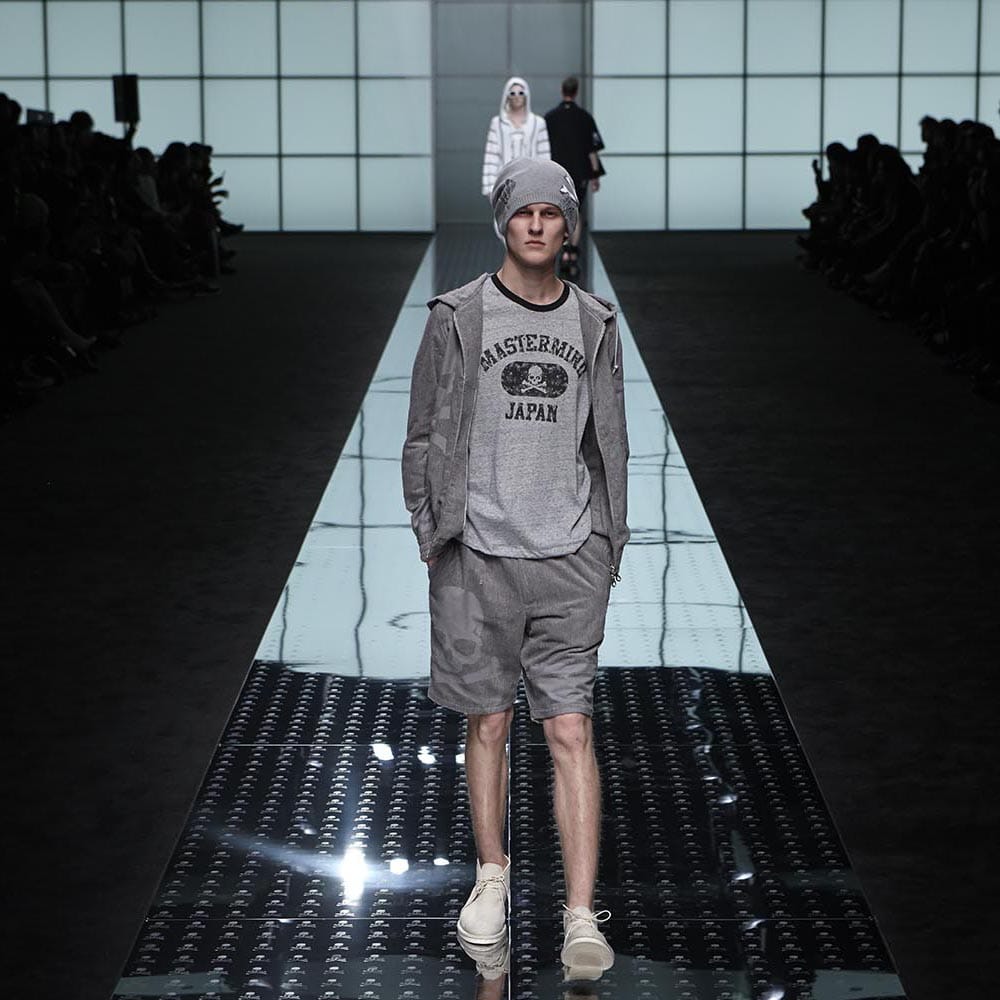
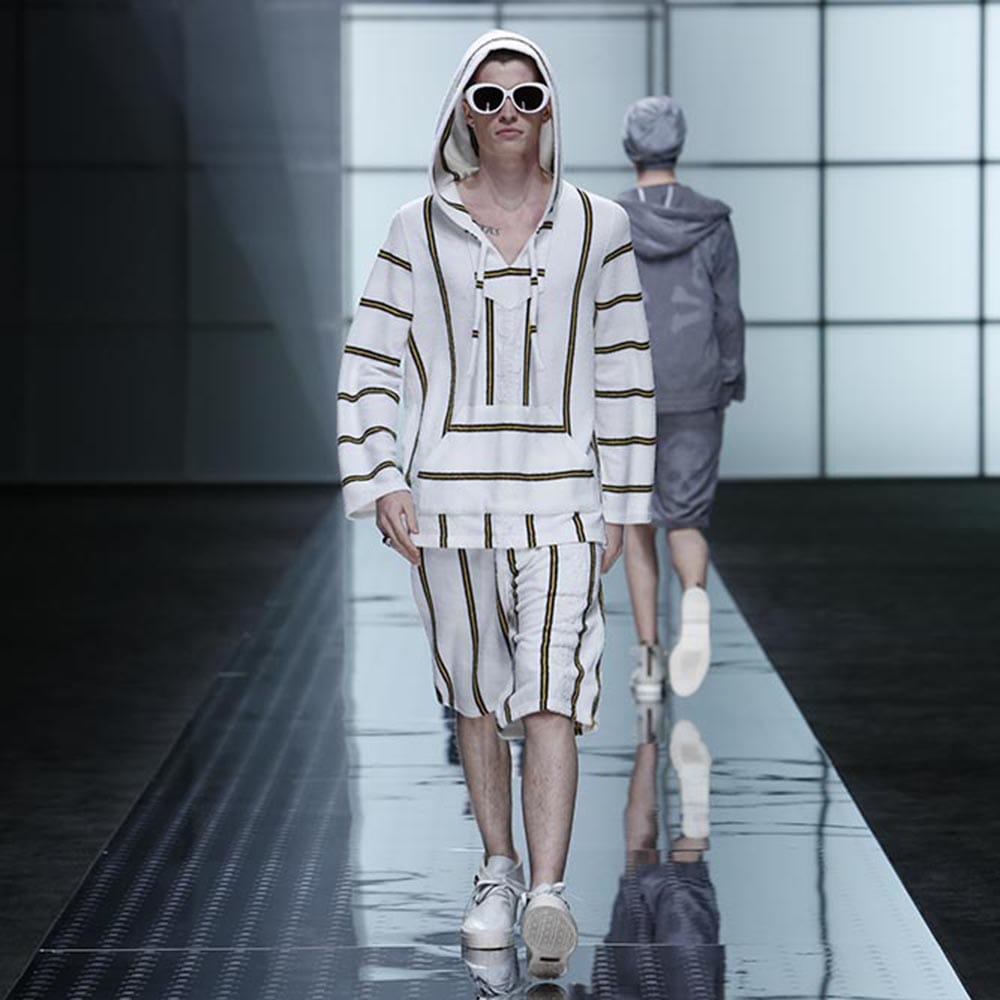
And the brand became a legend. At the height of its popularity in 2008, it declared that “activities will be suspended in 2013, the 15th anniversary of the brand’s founding.” “Leave while you’re still being applauded.” Holding fast to an aesthetic of departure like falling cherry blossoms, mastermind JAPAN closed the curtain once in 2013.
But the world would not let it go. Responding to the growing fervor even during the hiatus, the brand returned in 2017.
It wasn’t simply a restart. It came back evolved into two lines: “mastermind JAPAN,” which inherits Japanese craftsmanship, and “MASTERMIND WORLD,” envisioned for the global luxury street market.
Conclusion: Wearing the Story in 2026
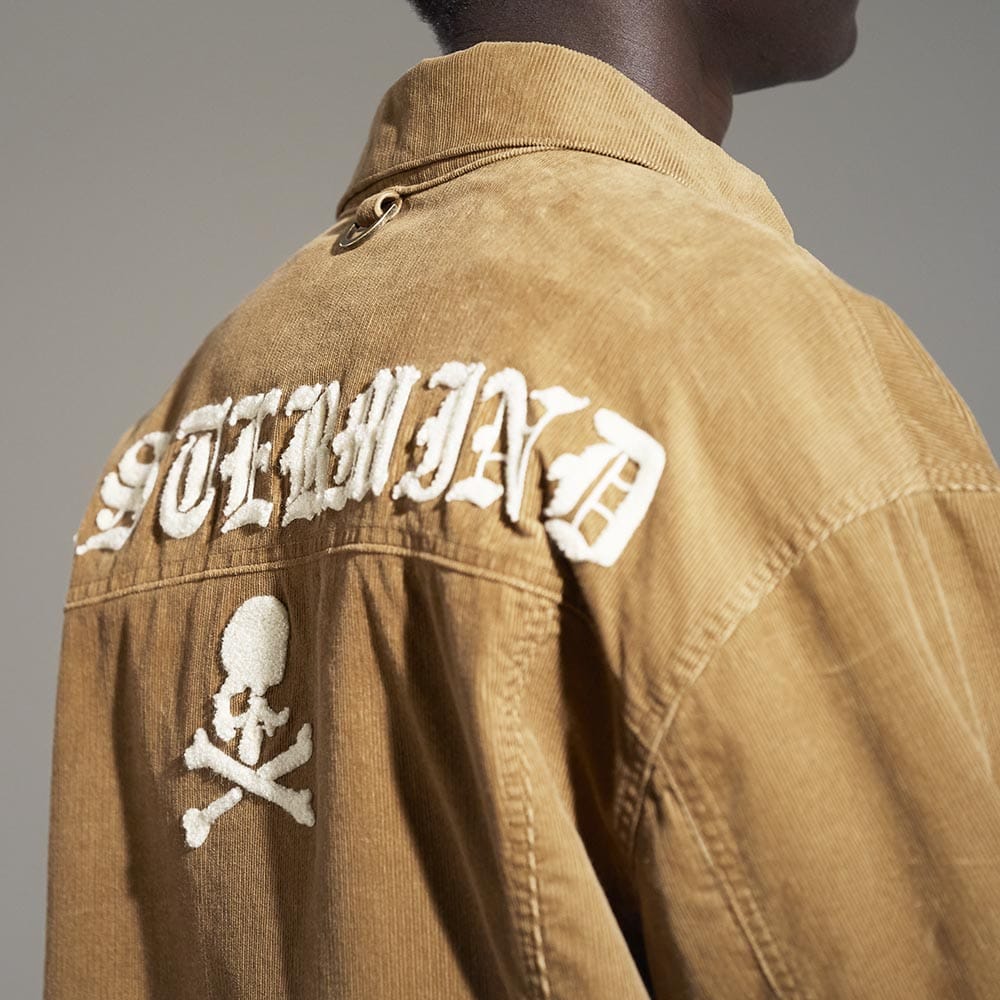
Unshakable strength and aesthetics—possible only because the brand has died once and been reborn. The garments woven by mastermind JAPAN / MASTERMIND WORLD go beyond mere fashion items; they are “wearable drama,” containing stories of setbacks and glory.
From 2026SS, FASCINATE will deliver this legendary “Japanese black” to you. In the next Vol.2, we’ll thoroughly dissect the product’s greatness from the perspectives of “material obsession” and the “decisive differences between JAPAN and WORLD,” addressing the question many people have: “Why is it so expensive?”